
Rural schools "face the highest dropout rates, the lowest college enrollment rates, have the lowest average teacher salaries..."

Edwards, aiming to win rural voters' support in early-voting states including Iowa and South Carolina, is trying to make the case that the government ought to pay more attention to their education needs. So he talks about how troubled the rural schools are.
But he sometimes overstates the case.
In this single sentence, Edwards makes three distinct claims about the state of affairs in rural education. On accuracy, he goes two for three.
First, consider dropout rates. Yes, rural schools have a high rate, 11 percent, as the June 2007 report by the National Center for Education Statistics shows. Just not the highest.
The dropout rate in urban areas is worse: 13 percent.
But Edwards is right when he says that rural schools have the lowest college enrollment rates in the country. Only 27 percent of students coming from rural schools enrolled in college in 2004-05, according to the report, well below the 37 percent rate in cities and suburbs, and lower than the 32 percent in towns.
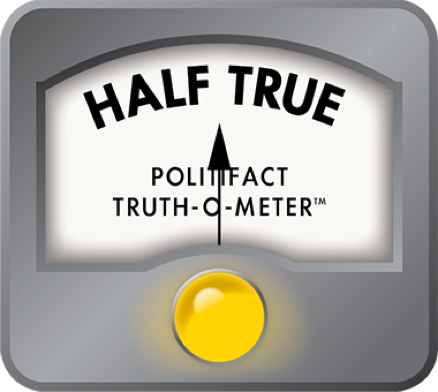
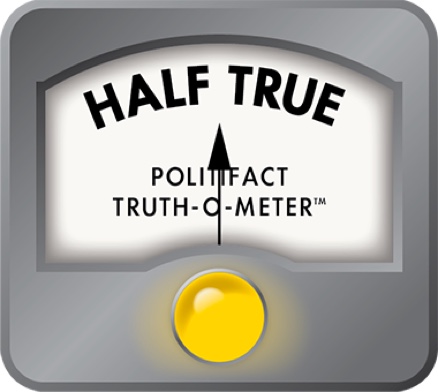
And he also has it right on teacher pay. The federal report is pretty clear: "Public school teachers in rural areas earned, on average, lower salaries in 2003-04 than their peers in towns, suburbs and cities." Taking it all into consideration, we rate Edwards' statements on rural education as "Half True."
National Center for Education Statistics, Status of Education in Rural America , June 2007












In a world of wild talk and fake news, help us stand up for the facts.