Weight loss GLP-1s are everywhere and kids are taking them too. 7 things parents should know

If your time is short
- The Food and Drug Administration has approved some weight loss GLP-1s for children.
- There is no long-term data about what taking a GLP-1 for weight loss means for a child’s growth and development.
- Gastrointestinal side effects such as nausea, diarrhea, constipation and vomiting are common. Doctors have also expressed concerns about how the drugs may contribute to malnutrition and eating disorders in children.
Drugs like Ozempic and Wegovy have transformed how we talk about weight loss.
So perhaps it’s not surprising that some doctors are prescribing the medications known as GLP-1s to address childhood obesity, too.
The U.S. Centers for Disease Control and Prevention last year reported a 300% increase in the number of adolescents ages 12 to 17 prescribed obesity medications between 2020 and 2023, when the U.S. Food and Drug Administration expanded approval of these drugs for that age group. Thousands of children ages 8 to 11 have also been prescribed these drugs.
Although the overall number is still small, the growing use of these relatively new medications in childhood raises numerous questions for parents and pediatricians.
Available research generally shows they can be safe and effective for some children for about a year. But researchers don’t yet have answers about their long-term effects.
Here are seven things parents should know about weight loss GLP-1s for children.
#1: Two weight loss GLP-1s are approved for children ages 12 and up.
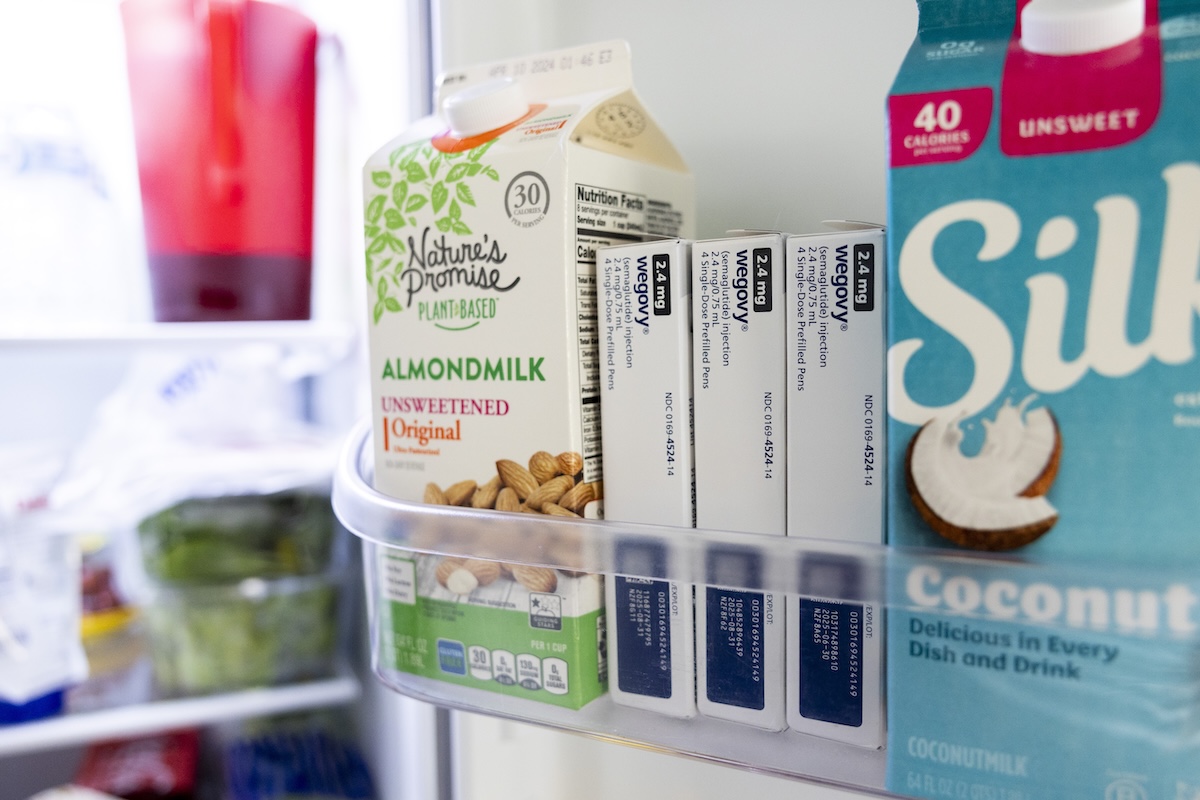
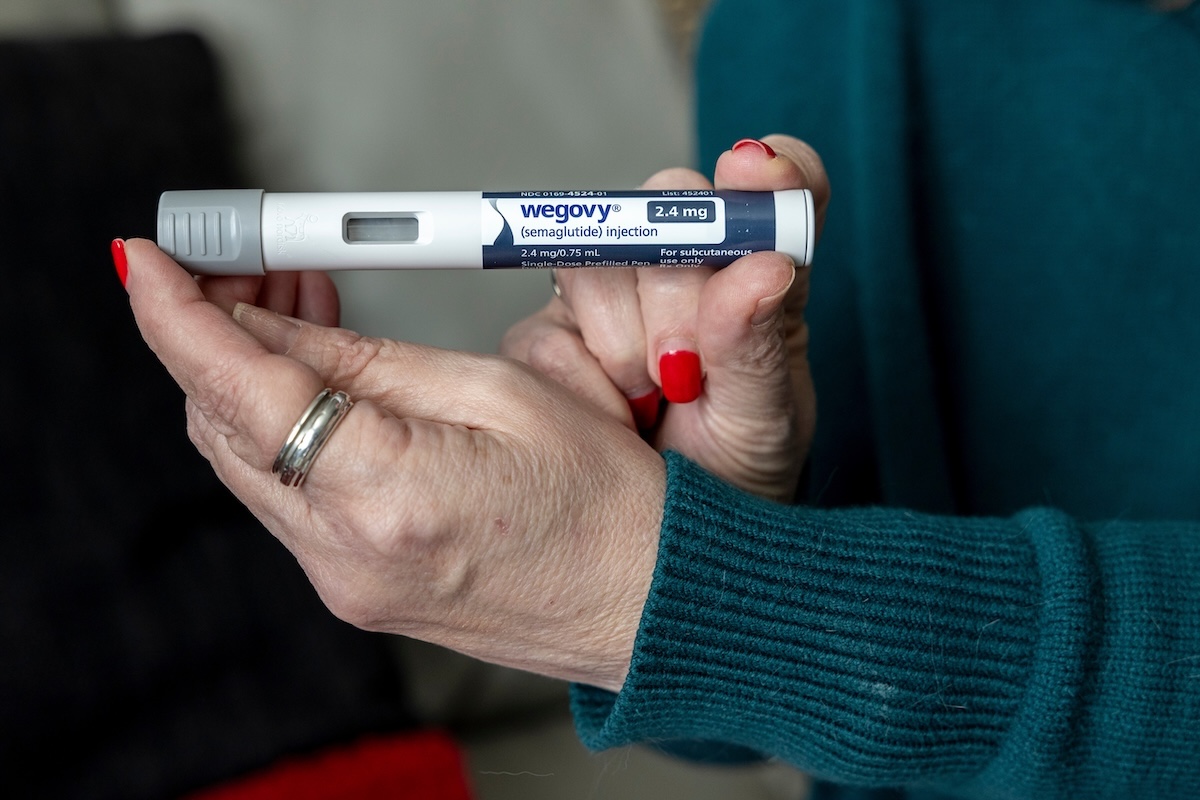
In 2020, the FDA approved the daily injection liraglutide with the brand-name Saxenda as weight loss medications for children ages 12 and older. Two years later, it did the same for the once-weekly injection semaglutide known as Wegovy.
As GLP-1s, both drugs act on hormone receptors throughout the body by mimicking glucagon-like peptide-1, a hormone produced after eating. The drugs bind to the body’s GLP-1 receptors, a process that helps regulate blood sugar and reduce appetite.
In 2023, 0.5% of adolescents with obesity ages 12 to 17 received obesity medication prescriptions including GLP-1s.
Some doctors have prescribed GLP-1s to children under 12 “off label”, meaning the drug isn’t FDA approved and labeled for people their ages.
The number of 8- to 11-year-olds taking drugs such as Saxenda and Wegovy was 310 times higher in June 2026 than June 2019, new data shows. In that time, 20,282 children ages 8 to 11 had been prescribed GLP-1s, according to a study published in Pediatrics.
#2: Doctors have clinical guidance for prescribing weight loss drugs to children.
Since 2023, the American Academy of Pediatrics’ clinical guidelines have said doctors can consider GLP-1s as one treatment for children diagnosed with obesity.
The group recommends intensive health behavior and lifestyle treatment as the most evidence-backed way to manage obesity. That could translate to 26 hours or more of face-to-face family nutrition and physical activity counseling over three to 12 months. Such treatment, however, isn’t widely available, and its demanding schedule may be impractical for people who work or go to school.
GLP-1s show promise “for children and adolescents who require an additional treatment option to manage their obesity,” the guidelines say. These drugs might be best for older children, kids with immediate and life-threatening comorbidities, and those with more severe obesity defined by a person’s body-mass-index. (BMI use is often criticized).
In certain cases, the academy’s guidelines leave room for prescribing weight loss drugs to children as young as 8.
Dr. Rebecka Peebles, vice president of adolescent medicine at Monte Nido, an organization that works to end eating disorders, said the guidelines affected how pediatricians’ prescribe GLP-1s.
“It is definitely being done more and more,” she said.
#3: There is no long-term data for weight loss GLP-1 use in children.
There’s a lot scientists still don’t know about weight loss GLP-1s for children.
The main reason: limited data. A 2025 JAMA Pediatrics review found 18 randomized, controlled clinical trials of GLP-1s for people under 18 years old. Those clinical trials were for GLP-1s broadly, whether they were prescribed for weight loss, diabetes treatment or some other reason.
Of 18 trials, nine included fewer than 50 patients.
“The evidence base is meaningful but still shorter-term than we would ideally like for a chronic disease that often begins in childhood,” said Dr. Fatima Cody Stanford, a Harvard Medical School obesity medicine expert and a pediatrics professor.
That’s especially true for children under 12 because available research doesn’t answer all the long-term questions about growth, puberty, bone health, nutritional status, durability and outcomes.
There is more data on GLP-1s for diabetes, but that’s at smaller doses than what is used for weight loss.
And some research raises additional questions. A 2024 study of 82 kids ages 6 to 12, for example, found that after a year on liraglutide with lifestyle changes, children’s BMIs dropped more than they did with placebos and lifestyle changes.
Doctors have concerns about reducing a children’s body-mass index at a time when it should be increasing as they grow.
#4: Taking weight loss GLP-1 medications is typically a long-term strategy.
For adults, weight loss appears to last only as long as you are on the drugs, and people who stop the medication typically regain much of the weight they lost.
The same is generally true for children.
“They’re meant to be medicines you’re on for a very long time, if not forever, so making that decision is a big decision,” Peebles said.
Once adolescents stopped taking liraglutide for weight loss, research showed they regained weight, Stanford said.
#5: Insurance won’t always cover weight loss GLP-1s.
These medications are expensive even with discounts, so it might not be possible to pay for them without insurance footing the bill. Insurance coverage of GLP-1s for weight loss is inconsistent. Coverage can vary by state or even month and insurers often deny off-label prescriptions.
Some private insurance plans and state Medicaid programs cover pediatric weight loss GLP-1s, but typically with prior authorization after doctors document obesity-related complications and patients participate in lifestyle treatments, Stanford said.
#6: Weight loss GLP-1s come with side effects and risks, including malnutrition.
When taking GLP-1s, most children in studies reported uncomfortable or unpleasant gastrointestinal effects. Semaglutide and liraglutide list common side effects including nausea, diarrhea, constipation and vomiting.
Some rare side effects are also linked to GLP-1 medications, including pancreatic inflammation, acute kidney damage and gallbladder issues.
Children are at risk of getting malnourished when taking GLP-1s if they lose too much weight, Peebles said.
Children losing 10% of their body weight in six months is considered a warning sign of severe malnutrition, she said. But when physicians prescribe weight loss GLP-1s for a child, they are often hoping that child loses more than 10% of their body weight — sometimes even quicker than six months.
“Those things collide,” Peebles said. “When do we worry about malnutrition and what labs do we need to follow?”
A September 2026 study found that nearly 17% of children ages 10 to 17 who started a GLP-1 medication were diagnosed with at least one nutritional deficiency or deficiency-related complication within one year. The most common deficiencies in order of frequency were vitamin D, nutritional anemia and iron-deficiency anemia.
#7: Before weight loss GLP-1s, a child’s eating disorder risk should be evaluated.
Doctors prescribing weight loss GLP-1s should screen for eating disorders or factors that might make someone more vulnerable to developing an eating disorder, Peebles said.
People vulnerable to developing eating disorders don’t do well with weight suppression, which is the difference between a person’s current weight and the most they’ve ever weighed.
She advised parents of children on GLP-1s to watch unusual behaviors, such as their child skipping meals and snacks, constantly pacing or exercising and becoming really rigid about mealtimes or weighing themselves.
“Parents are better at noticing these things than doctors sometimes,” she said. “They know their kids.”
Children taking GLP-1s should still be able to eat three meals a day and a snack or two, Peebles said. They should be able to keep up with their sports and activities, which means they shouldn’t be eating fewer than 2,000 calories a day, and even more if they’re very active.
PolitiFact Staff Researcher Caryn Baird contributed to this report.
RELATED: Realities of life on GLP-1s for weight loss: What doctors say you can expect
Our Sources
Interview with Dr. Rebecka Peebles, Monte Nido’s vice president of adolescent medicine, Sept. 30, 2026
Email interview with Dr. Fatima Cody Stanford, a Harvard Medical School medicine and pediatrics professor and an obesity medicine physician scientist, Oct. 1, 2026
Forbes, More Young Children Are Taking GLP-1 Drugs. What Parents Should Know, Sept. 21, 2026
PolitiFact, A patient got the weight loss medication retatrutide before FDA approval. How does that work? July 1, 2026
Stanford Medicine, GLP-1s 101: What the science says about weight loss, side effects, safety, June 29, 2026
Ann & Robert H. Lurie Children’s Hospital of Chicago, GLP-1 Medications for Obesity: A Parent’s Guide, Sept. 23, 2026
Ann & Robert H. Lurie Children’s Hospital of Chicago, GLP-1s Linked to Nutritional Deficiencies in Children, Sept. 21, 2026
NYU Langone News, GLP-1 Use Among Young Children With Obesity in US Remains Rare but Is Rising Rapidly, Sept. 4, 2026
American Academy of Pediatrics, Clinical Practice Guideline for the Evaluation and Treatment of Children and Adolescents With Obesity, Jan. 9, 2023
Pediatrics, Trends in GLP-1 Receptor Agonist Prescriptions for Children Ages 8 to 11 With Obesity: 2019–2026,
International Journal of Eating Disorders, Use of glucagon‐like peptide‐1 receptor agonists in eating disorder populations, Dec. 22, 2023
Healthchildren.org, Childhood Obesity: A Complex Disease, accessed Sept. 29, 2026
NBC News, Weight loss drugs like Wegovy may trigger eating disorders in some patients, doctors warn, July 31, 2024
NPR, GLP-1 obesity drugs can complicate life for people with disordered eating, Feb. 4, 2026
National Association of Anorexia Nervosa and Associated Disorders, GLP-1 Medications & Eating Disorders, accessed Sept. 28, 2026
Journal of Adolescent Health, Informed Decision-Making for Glucagon-like Peptide-1 Receptor Agonists Use in Adolescents: A Call for Robust Evidence Related to Healthy Growth and Development, December 2025
Psychology Today, The Thin Line: GLP-1 Drugs and the Rise of Disordered Eating, May 24, 2026
Dovepress, Usage of Glucagon-Like Peptide-1 for Obesity in Children; Updated Review of Clinicaltrials.gov, July 31, 2023
Children’s Hospital of Los Angeles, Weight Loss Medication (GLP-1) for Kids and Teens | Children’s Hospital Los Angeles, Sept. 29, 2026
Texas Children’s, What to Know if Your Child Takes a GLP-1 Agonist and Needs Surgery, May 6, 2025
AAMC, How young is too young for GLP-1s? Bariatric surgery? Academic experts offer insights, Jan. 28, 2025
WHYY, CHOP doctors identify barriers to GLP-1 drugs for obese kids, May 4, 2026
Children’s Hospital of Philadelphia, Philly pediatricians are using GLP-1 drugs to treat childhood obesity, but cost can be a major barrier, CHOP doctors find, May 4, 2026
Cleveland Clinic, GLP-1 Agonists, Sept. 29, 2026
U.S. Centers for Disease Control and Prevention, Prescriptions for Obesity Medications Among Adolescents Aged 12–17 Years with Obesity — United States, 2018–2023 | MMWR, June 5, 2025
U.S. Food and Drug Administration, FDA approves weight management drug for patients aged 12 and older, Dec. 4, 2020
U.S. Food and Drug Administration, Understanding Unapproved Use of Approved Drugs “Off Label,” accessed Sept. 30, 2026
Mayo Clinic Proceedings, Ten Common Questions (and Their Answers) About Off-label Drug Use, Aug. 8, 2012
PolitiFact, Well Informed: A consumer’s guide to using TrumpRx, March 6, 2026
Drugs.com, Saxenda Dosage Guide, accessed Oct. 1, 2026
Drugs.com, Victoza: Uses, Dosage, Side Effects, Warnings, accessed Oct. 1, 2026
New England Journal of Medicine, Liraglutide for Children 6 to <12 Years of Age with Obesity — A Randomized Trial, Sept. 10, 2024
Realities of life on GLP-1s for weight loss: What doctors say you can expect
JAMA Pediatrics, Efficacy and Safety of GLP-1 RAs in Children and Adolescents With Obesity or Type 2 Diabetes: A Systematic Review and Meta-Analysis, Sept. 15, 2025
Saxenda, Saxenda® Side Effects | Saxenda® (liraglutide) injection 3mg, accessed Oct. 1, 2026
Wegovy, Wegovy® Side Effects, accessed Oct. 1, 2026
Childhood Obesity via Sage Journals, Nutritional Deficiencies, Complications, and Nutrition Therapy/Counseling in Pediatric Patients Using GLP-1 Receptor Agonists, Sept. 17, 2026
Children’s Hospital of Philadelphia, CHOP study: The impact of receptor agonists on pediatric MASLD, April 7, 2025
The Conversation, How dieting, weight suppression and even misuse of drugs like Ozempic can contribute to eating disorders, Feb. 1, 2024
MedPage Today, It’s Time to Retire BMI as a Clinical Metric, Oct. 19, 2022
NPR, Top 10 Reasons Why The BMI Is Bogus, July 4, 2009
NPR, New childhood obesity guidance raises worries over the risk of eating disorders, Feb. 15, 2023
University of Rochester Medicine, Is BMI Accurate? New Evidence Says No,
Stanford Medicine, BMI, aka body mass index: What the science says, Nov. 15, 2024