Vitamin C if you’re feeling sick: Evidence-based life hack? Or dated superstition?


If your time is short
- Available research doesn’t support turning to vitamin C supplements or gobbling up oranges the second cold symptoms appear.
- Some research has found that people who regularly take vitamin C supplements might have milder cold symptoms or slightly shorter colds, but the effects are modest.
- Vitamin C is an antioxidant and supports the immune system. It comes from dietary sources because human bodies cannot make it.
It happens every common cold season. The moment a headache, scratchy throat or the sniffles set in, you search for something to stop its progress: Perhaps a mega-dose of vitamin C will do the trick.
Fall and winter are citrus season, anyway — cue the oranges and the grapefruits. Gulp a large glass of OJ. Or maybe grab one of those immune system supplements.
Airborne advertises its “zesty orange” flavored “immune support supplement” with 1,000 milligrams of vitamin C. The brand Emergen-C offers daily drink powders in “Super Orange” to “fight back” and “support” your immune system.
The products’ packaging and websites caution not to take their ads as science: “These statements have not been evaluated by the Food and Drug Administration,” they read. “These products are not intended to diagnose, treat, cure or prevent any disease.”
Most of the research on using vitamin C as an illness treatment has centered on the common cold, which can be caused by over 200 viruses and has no cure. And it shows that, after symptoms start, vitamin C is not an effective cold remedy.
Vitamin C acts as an antioxidant and helps the body absorb iron. It is needed to make wound-healing proteins and is important for the immune system — but human bodies can’t make it. It’s important to get it from dietary sources or supplements.
Across trials spanning more than 50 years, providing vitamin C as a treatment immediately after cold symptoms began did not shorten a cold’s duration or lessen its severity, according to a 2013 study published in the Cochrane Database of Systematic Reviews.
Vitamin C studies published in 2016 and 2023 reiterated that data on the vitamin’s effectiveness as a cold treatment lacked consistency and warranted further study.
In 2016, Creighton University School of Pharmacy and Health Professions researchers said because vitamin C supplements are inexpensive and relatively safe, people experiencing cold symptoms could reasonably “see for themselves if therapeutic vitamin C is beneficial, but they should know that the data behind its use are largely inconsistent.”
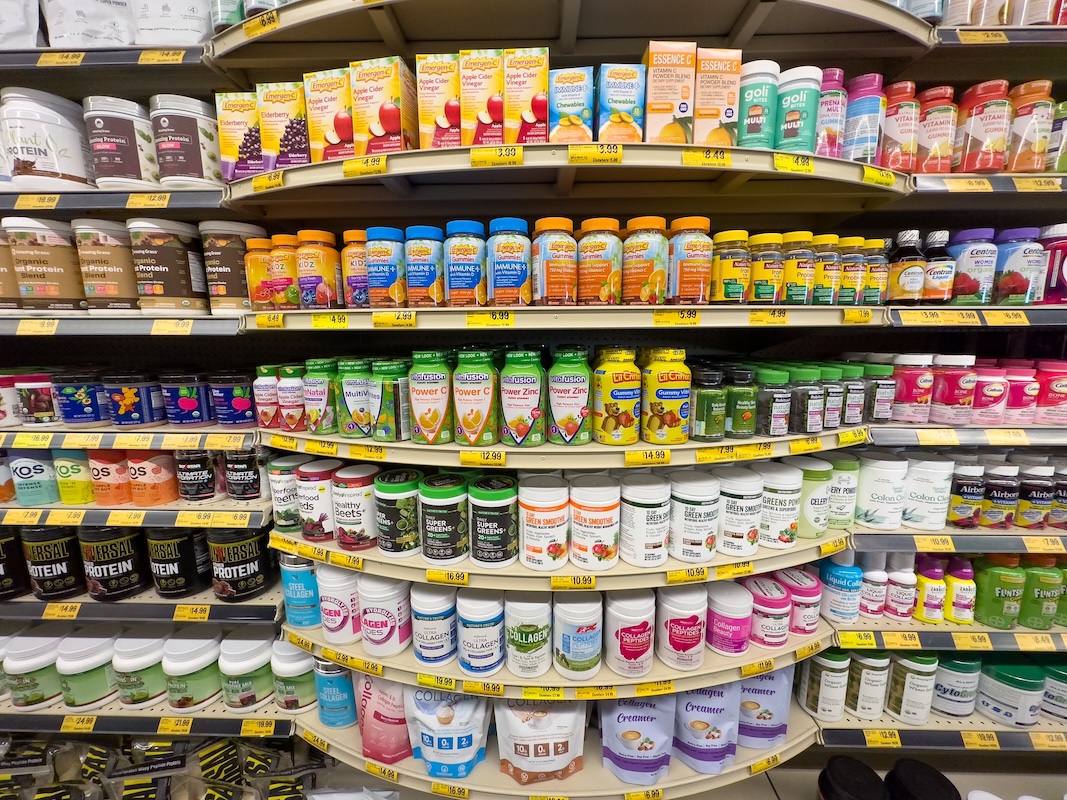
Vitamin C can’t stop a cold in its tracks, but regular consumption may benefit some people
It turns out that regular vitamin C consumption — not taking it as an acute-care treatment — can have benefits for helping a person’s immunity against colds.
“Getting enough vitamin C is important, and regular supplementation before symptoms begin may modestly shorten colds,” said Jerry Lio, an Ohio State University microbial infection and immunity professor. “But we cannot assume the same benefit from starting a supplement or eating an extra orange only when we begin to feel sick.”
Adult men need about 90 milligrams of vitamin C each day, and women need about 75 milligrams. A person’s daily vitamin intake shouldn’t exceed 2,000 milligrams.
That said, vitamin C does not consistently reduce everyone’s risk of getting a cold.
People might benefit if they engage in intense physical activity or are exposed to cold temperatures, or both. Using regular vitamin C might reduce their risk of developing a cold, studies find. Some older trials found that marathon runners, skiers and soldiers who were exposed to cold environments halved their common cold risk by regularly taking vitamin C.
Those findings can’t readily be expanded for the general public, however.
Regularly administered vitamin C does not affect how often people in the general population develop common colds, said the 2013 Cochrane review.
“The key is to get enough vitamin C regularly to support normal immune function,” Lio said. “Taking more than you need does not necessarily improve your immune response or provide greater protection against infection.”

It can potentially reduce a cold’s severity and length — but researchers cautioned against deciding to add a regular vitamin C supplement just from that finding alone.
A vitamin C supplement greater than or equal to 0.2 grams per day reduced a cold’s duration by about 8% in adults and 14% in children, while a supplement of 1 to 2 grams per day reduced a cold’s duration by 18% in children, the Cochrane review found.
“If you were going to have a common cold that lasts about seven days, it may cut it down about 13 hours,” Dr. Jesse Bracamonte, a Mayo Clinic family physician, told the Mayo Clinic Care Network.
That invites the question of whether it is worthwhile or practical to incorporate a regular vitamin C supplement, particularly when people tend to get at least some of their vitamin C from their normal, balanced diet.
“In our opinion,” the Cochrane review researchers wrote, “this level of benefit does not justify long‐term supplementation in its own right.”
Students or workers who have to budget their vacation or sick time may differ.
PolitiFact Staff Researcher Caryn Baird contributed to this report.
RELATED: Do you need that vitamin? Review this checklist first
Our Sources
Email interview with Jerry Lio, an associate professor in the department of microbial infection and immunity at Ohio State University, Oct. 13, 2026
Instacart, Airborne Zesty Orange Effervescent Tablets – 1000mg Vitamin C – Immune Support Supplement, accessed Oct. 13, 2026
Target, Emergen-C, accessed Oct. 13, 2026
YouTube, Emergen-C Commercial (2025 & 2026), Feb. 24, 2025
Schiff Vitamins, Airborne Effervescent Tablets – Zesty Orange, accessed Oct. 13, 2026
Emergen-C, Super Orange Original Formula Immune Support Powder and Dietary Supplement Facts, accessed Oct. 13, 2026
Harvard Health, Myths and truths about vitamin C, Jan. 22, 2025
The Conversation, Can vitamin C cure a cold? How a Nobel Prize winner convinced us it could, Aug. 17, 2026
Oregon State University’s Linus Paling Institute, Vitamin C, accessed Oct. 13, 2026
Houston Methodist, Does Getting More Vitamin C Really Keep You From Getting Sick? April 16, 2020
National Institutes of Health, Vitamin C – Health Professional Fact Sheet, accessed Oct. 13, 2026
National Institutes of Health, Vitamin C – Consumer, accessed Oct. 14, 2026
American Family Physician, The Role of Vitamin C in the Treatment of the Common Cold, accessed Oct. 13, 2026
PLOS Medicine, Vitamin C for Preventing and Treating the Common Cold, June 28, 2005
Cochrane Library, Vitamin C for preventing and treating the common cold – Hemilä, H – 2013, Jan. 31, 2013
Cureus, The Role of Vitamin C in Human Immunity and Its Treatment Potential Against COVID-19: A Review Article, Jan. 13, 2023
Very Well Health, Does Orange Juice Really Help With a Cold? March 21, 2026
Medical News Today, Best foods to eat when sick: Colds, fever, and nausea, Feb. 2, 2026
Very Well Health, The Best Time to Eat Oranges for Vitamin C and Immune Support, July 1, 2026
Sage Journals, Vitamin C in the Prevention and Treatment of the Common Cold, Feb. 9, 2016
Ohio State University’s College of Medicine, Vitamin C promotes immune cell differentiation by enhancing DNA remodeling, Sept. 19, 2022
Springer Nature Link, Vitamin C reduces the severity of common colds: a meta-analysis, Dec. 11, 2023
Harvard Health, By the way, doctor: What’s the right amount of vitamin C for me? May 5, 2023
Dana-Farber Cancer Institute, Study Reveals Vitamin C Triggers Cancer Immune Response, April 4, 2025
Cleveland Clinic Journal of Medicine, A seaworthy nautical tale and a pictured rash, August 2020
Nebraska Medicine, Can vitamin C help treat a cold? June 29, 2023
Baton Rouge Clinic, Can Vitamin C Keep Away Common Colds? Sept. 27, 2024
BMJ Global Health, Effect of micronutrient supplements on influenza and other respiratory tract infections among adults: a systematic review and meta-analysis, Dec. 11, 2020