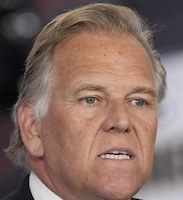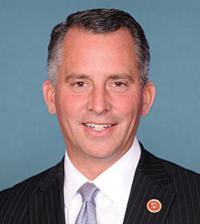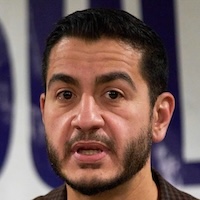
Former U.S. Rep. Mike Rogers “voted to deny health care” to 9/11 first responders “nine times.”

In Michigan Senate race, Abdul El-Sayed’s attack on Mike Rogers’ 9/11 record needs context
If your time is short
- Former U.S. Rep. Mike Rogers, a Republican, voted twice against House passage of a landmark 2010 bill that designated billions of dollars for healthcare and monitoring for 9/11 first responders and victims. He said at the time he favored a smaller program funded through annual appropriations.
- The nine-vote count referenced by Abdul El-Sayed, Rogers’ Democratic opponent in the U.S. Senate race in Michigan, includes cherry-picked votes on broad spending bills and omits that Rogers voted for other bills that included 9/11 health funding.
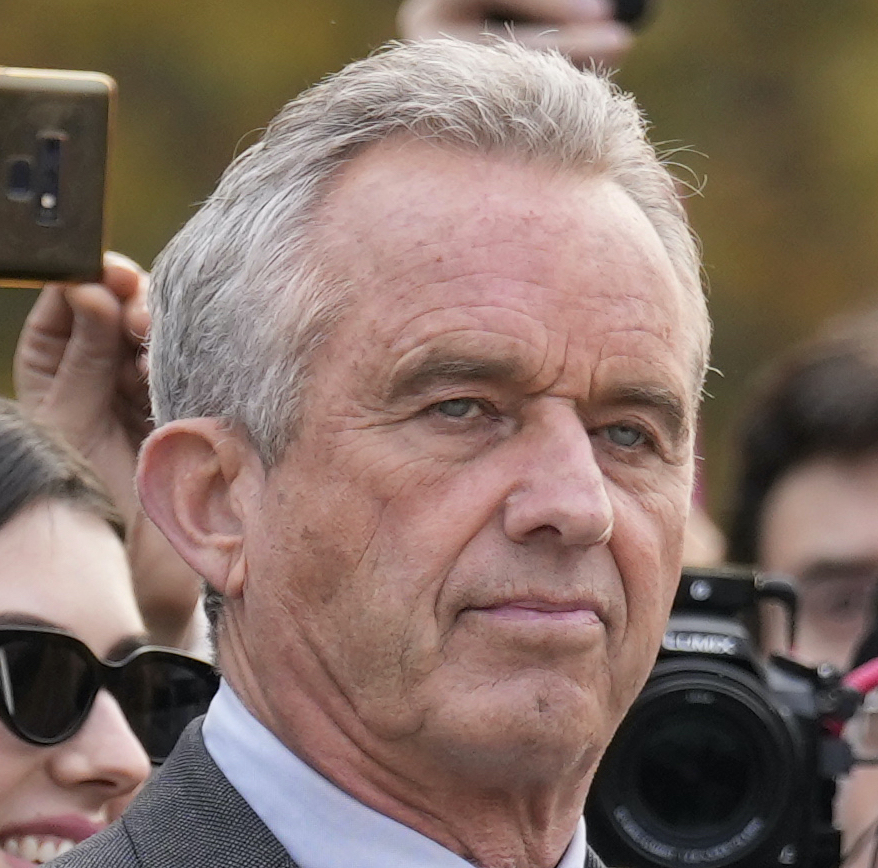
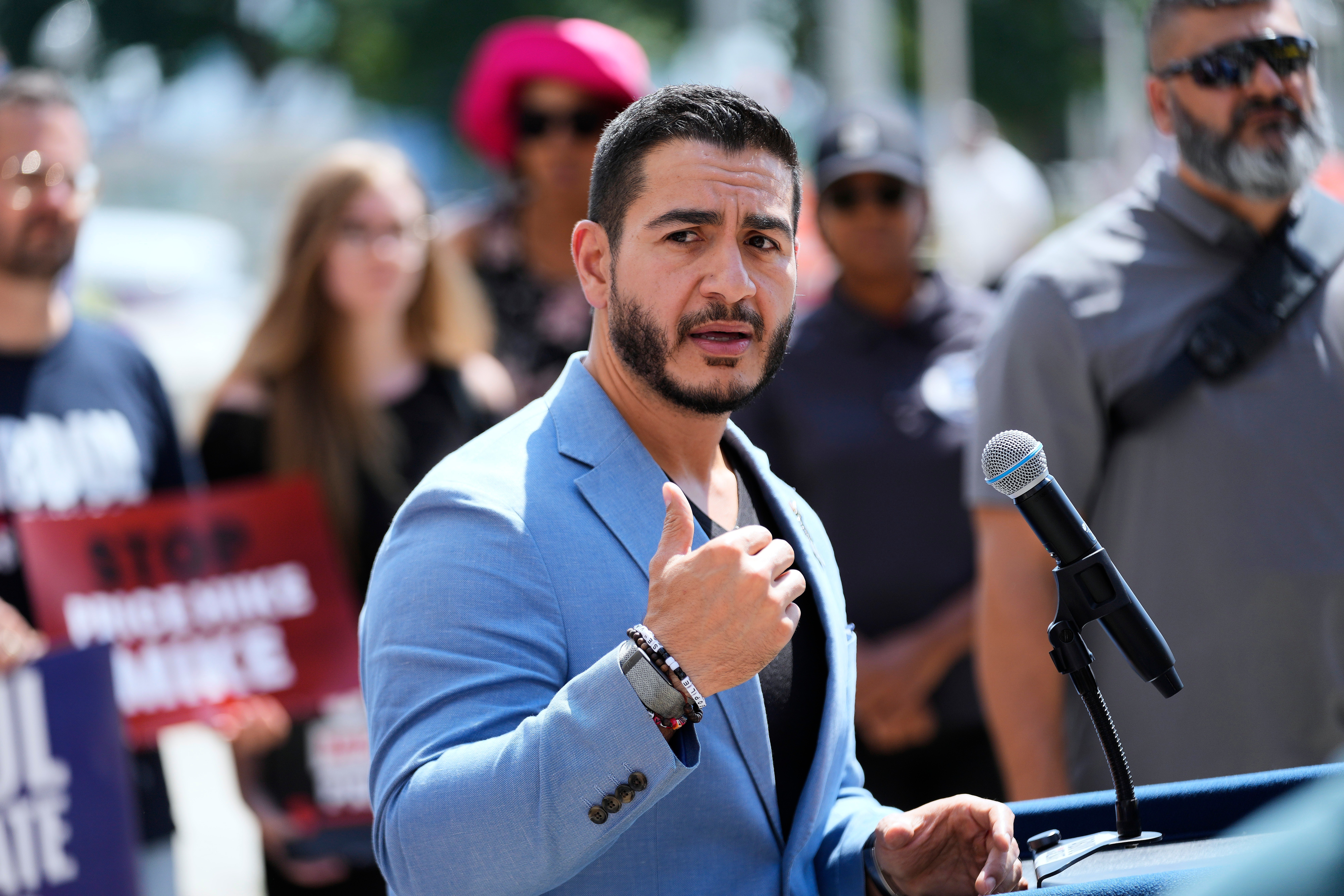
In the lead-up to the 25th anniversary of the Sept. 11 terrorist attacks, Michigan Democrat Abdul El-Sayed said his U.S. Senate opponent consistently opposed funding for 9/11 first responders.
Initially, El-Sayed said Republican former U.S. Rep. Mike Rogers voted twice to deny healthcare to first responders. After Rogers called the statement a “lie,” El-Sayed responded on X.
“Turns out you didn’t vote to deny 9/11 first responders healthcare twice,” he said. “You did it NINE times.” The post included a screenshot of a Sept. 12 Detroit Metro Times article with the headline, “Mike Rogers opposed 9/11 responder health care not twice, but nine times.”
You’re right. Sorry. Turns out you didn’t vote to deny 9/11 first responders healthcare twice. You did it NINE times. https://t.co/5XVlIMZzgP pic.twitter.com/I8vUT8fkAH
— Dr. Abdul El-Sayed (@AbdulElSayed) September 12, 2026
When we asked El-Sayed’s campaign about his post, a spokesperson pointed us to the article’s reporting on Rogers’ voting record.
In a statement provided by his campaign, Rogers said 9/11 one of the worst days in U.S. history and called El-Sayed’s suggestion that Rogers doesn’t support the victims is “patently false.”
“In Congress, I proposed and advocated for an annual $150 million appropriation to support the needs of 9/11 survivors and victim families,” Rogers said.
Rogers opposed the 2010 bill that created the World Trade Center Health Program and dedicated billions in funding for 9/11 first responders, but the nine-vote tally El-Sayed described is missing context.
The attacks come as Rogers has said El-Sayed “believes America deserved 9/11,” a claim we rated Pants on Fire.
The 2010 first responders healthcare bill
Healthcare funding for 9/11 first responders and victims emerged after years of advocacy and a patchwork of programs before the 2010 James Zadroga 9/11 Health and Compensation Act created a unified World Trade Center Health Program.
The law, which passed under Democratic-led chambers in Congress, approved $4.3 billion in funding for victim compensation, health monitoring and treatment for 9/11 first responders and victims.
Rogers voted against that bill on the House floor on two separate occasions, as well as in committee and during other procedural measures — a total of nine votes. On the final House passage, three days before Christmas in 2010, Rogers was one of 89 Republicans and 79 Democrats who didn’t vote.
Rogers said at the time he opposed the proposal because of its high price tag, and because it locked in a funding rate over many years instead of requiring yearly approval from Congress. The House bill Rogers voted against initially called for $7.4 billion in funding over 10 years, before it was cut to $4.3 billion over five years on final passage.
“Like every member of this committee, I fully support the 9/11 health program and believe the federal government has a responsibility to take care of first responders and survivors,” he said during a 2010 Energy and Commerce Committee meeting, according to a transcript. “But I also believe that we should not create an entitlement program.”
Rogers proposed a smaller option that would have codified the existing 9/11 first responder health programs and allocated $150 million a year to them, subject to annual congressional approval.
Ben Chevat, former chief of staff for U.S. House Rep. Carolyn Maloney, D-N.Y., the lead sponsor on the Zadroga bill, said mandatory funding was necessary to take care of first responders long-term.
Funding through annual appropriations, as Rogers proposed, “is short term and uncertain from year to year, depending totally on the priorities of the Congress and the Executive Branch at any point in time,” said Chevat, now executive director of 9/11 Health Watch, an organization that advocates for 9/11 victims and first responders. “There is no guarantee that it will continue.”
Rogers’ other votes
Those two votes are clear examples of Rogers opposing the landmark bill that guaranteed long-term health funding for 9/11 victims. The seven other votes are where the argument gets shaky.
One is a 2003 vote against a motion to add $90 million in funding for a Centers for Disease Control and Prevention program for 9/11 first responder health, along with $3.5 billion in general first responder grants. That motion didn’t pass, but Rogers later voted yes on another spending bill that same year, which dedicated $90 million from FEMA for long-term health monitoring for 9/11 first responders.
The campaign also referenced a 2007 vote against a broad budget bill that included $50 million in 9/11 first responder funding, and a later vote against overriding the president’s veto. That bill wasn’t focused only on 9/11 healthcare funding; it also funded the Health and Human Services, Labor and Education departments. Rogers opposed the bill’s final passage, but he voted yes twice on earlier versions of the bill that included similar 9/11 victim healthcare funding.
The other votes include:
- A procedural vote against considering the Zadroga bill.
- A vote for an amendment to the Zadroga bill that would shut down funding if it increased the national debt.
- A vote against advancing the Zadroga bill out of committee.
- Support for a motion to send the Zadroga bill back to committee with instructions to reduce the funding.
Rogers’ campaign also referred us to largely unanimous House votes he joined shortly after the 9/11 attacks to provide recovery assistance, federal benefits for public safety officers, tax relief for victims and families and air transportation safety.
Counting procedural votes and votes on broad spending bills, that adds up to nine votes against and three votes in favor of healthcare funding for 9/11 first responders, plus four votes for 9/11 relief immediately after the attacks.
Our ruling
El-Sayed said Rogers “voted to deny health care” to 9/11 first responders “nine times.”
Rogers opposed the signature bill that funded healthcare, monitoring and compensation for 9/11 victims and first responders. And he opposed funding amendments and budget bills that included funds for 9/11 first responders at times.
But the broader accusation takes some votes out of context and ignores other votes in favor of support for 9/11 responders. He voted at least three times for legislation that included 9/11 healthcare funding, and four other times for 9/11 recovery and benefits for victims.
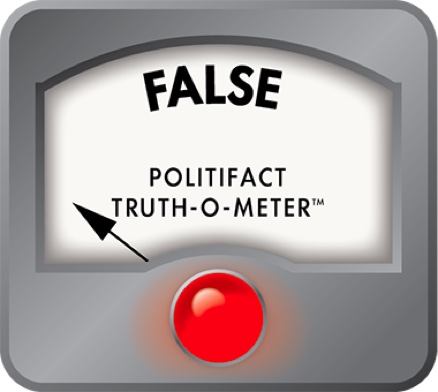
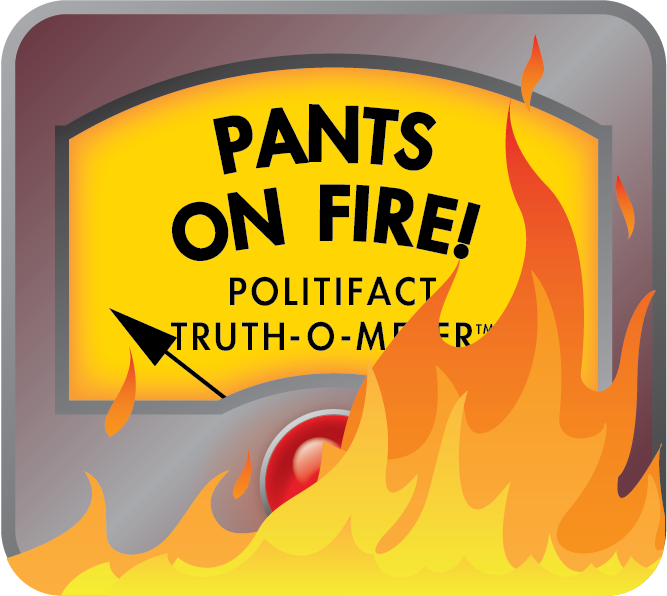
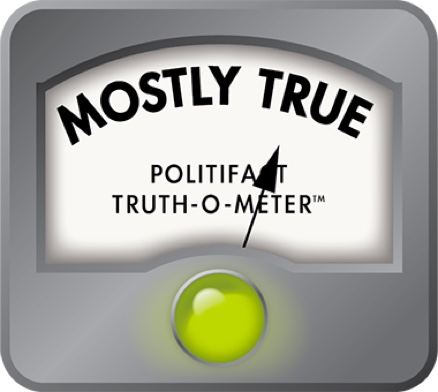
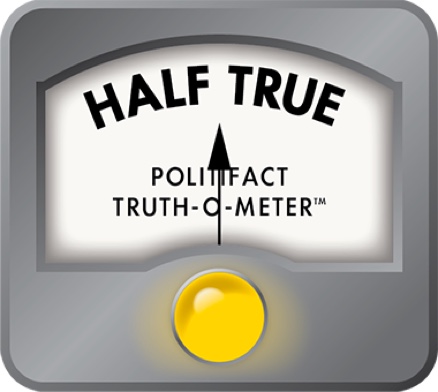
The statement is partially accurate but leaves out important details. We rate it Half True.
Our Sources
Email interview with Ben Chevat, 9/11 Health Watch executive director, Sept. 14, 2026
Email interview with G. William Hoagland, senior vice president at Bipartisan Policy Center, Sept. 11, 2026
Email exchange with Alyssa Brouillet, Mike Rogers spokesperson, Sept. 14, 2026
Email exchange with Cole Wozniak, Abdul El-Sayed spokesperson, Sept. 14, 2026
Abdul El-Sayed, X post, Sept. 10, 2026
Abdul El-Sayed, X post, Sept. 12, 2026
Mike Rogers, X post, Sept. 10, 2026
Congress.gov, H.R. 847 — James Zadroga 9/11 Health and Compensation Act of 2010, introduced Feb. 4, 2009
CBS News, A “Christmas Miracle”: Congress Passes Sept. 11 Health Care Bill, Dec. 22, 2010
Office of the Clerk, U.S. House of Representatives, Roll Call 664 Roll Call 664, Bill Number: H. R. 847, 111th Congress, 2nd Session, Dec. 22, 2010
Office of the Clerk, U.S. House of Representatives, Roll Call 491 Roll Call 491, Bill Number: H. R. 847, 111th Congress, 2nd Session, July 29, 2010
Office of the Clerk, U.S. House of Representatives, Roll Call 550 Roll Call 550, Bill Number: H. R. 847, 111th Congress, 2nd Session, Sept. 29, 2010
9/11 Health Watch, 2010 Passage of Original James Zadroga 9/11 Health and Compensation Act, Feb. 12, 2020
Committee on Energy & Commerce (via Archive.org), Full Committee Markup of H.R. 847, the “James Zadroga 9/11 Health and Compensation Act of 2010”, May 25, 2010
U.S. House of Representatives, James Zadroga 9/11 Health and Compensation Act of 2010 Committee Report, accessed Sept. 14, 2026
Office of the Clerk, U.S. House of Representatives, Roll Call 16 Roll Call 16, Bill Number: H. J. Res. 13, 108th Congress, 1st Session, Jan. 28, 2003
Congress.gov, H.J.Res. 13 — Making further continuing appropriations for the fiscal year 2003, and for other purposes., introduced Jan. 27, 2003
Congress.gov, H.J.Res.2 – 108th Congress (2003-2004): Consolidated Appropriations Resolution, 2003, Introduced Jan. 7, 2003
Congress.gov, H.R. 3043 — Departments of Labor, Health and Human Services, and Education, and Related Agencies Appropriations Act, 2008, introduced July 13, 2007
Office of the Clerk, U.S. House of Representatives, Roll Call 1050 Roll Call 1050, Bill Number: H. R. 3043, 110th Congress, 1st Session, Nov. 6, 2007
Congress.gov, Conference report on H.R. 3043, Departments of Labor, Health and Human Services, and Education, and Related Agencies Appropriations Act, 2008, Nov. 5, 2007
Detroit Metro Times, Mike Rogers opposed 9/11 responder health care not twice, but nine times, September 12, 2026
Congress.gov, Actions – H.R.2888 – 107th Congress (2001-2002): 2001 Emergency Supplemental Appropriations Act for Recovery from and Response to Terrorist Attacks on the United States, accessed Sept. 15, 2026
Congress.gov, H.R.2884 – 107th Congress (2001-2002): Victims of Terrorism Tax Relief Act of 2001, accessed Sept. 15, 2026
Congress.gov, H.R.2926 – Air Transportation Safety and System Stabilization Act, accessed Sept. 15, 2026
Office of the Clerk, U.S. House of Representatives, Roll Call 1075 Roll Call 1075, Bill Number: H. R. 3043, 110th Congress, 1st Session, Nov. 8, 2007
Office of the Clerk, U.S. House of Representatives, Roll Call 1122 Roll Call 1122, Bill Number: H. R. 3043, 110th Congress, 1st Session, Nov. 15, 2007