Stand up for the facts!
Our only agenda is to publish the truth so you can be an informed participant in democracy.
We need your help.
I would like to contribute


Tylenol products are on display at a drugstore chain in Buffalo Grove, Ill., Sept. 23, 2025. (AP)

If Your Time is short
-
Decades of research shows that acetaminophen, the active ingredient in Tylenol, is safe for infants and children when used as recommended and under a pediatrician’s guidance.
-
Pediatricians advise carefully measuring medicine using designated medicine cups or syringes and reading ingredient labels on over-the-counter medications to avoid combining medications that would exceed the appropriate doses of acetaminophen.
-
The U.S. Food and Drug Administration website and other government public health information describe acetaminophen as safe when used as directed.
It isn’t often that President Donald Trump issues parenting advice. But in late-September, he repeatedly warned parents to stop giving Tylenol to young children.
"When you have your baby, don’t give your baby Tylenol at all unless it’s absolutely necessary," he said during a Sept. 22 press conference focused on the administration’s actions to address increasing autism diagnoses.
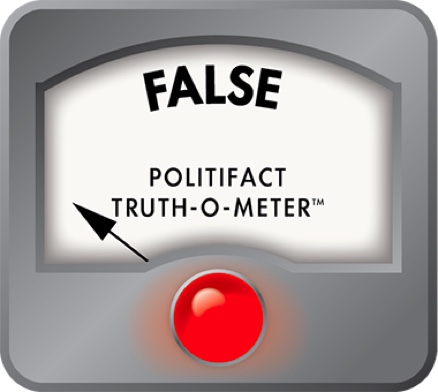
Trump’s recommendation is at odds with medical research, pediatric advice and U.S. public health guidance. During the same Sept. 22 remarks, Trump told pregnant mothers to avoid taking Tylenol because of what he described as a risk that its active ingredient acetaminophen could cause autism in their children. That’s scientifically unproven, and there’s no proof of a connection between childhood acetaminophen use and autism either.
Trump’s statements may leave parents newly uncertain about how to respond when their children have fevers or pain. Pediatricians told us that Tylenol is safe for children when taken as directed. Parents should always read medicine labels, consult their doctors and take measures to make sure they are administering acetaminophen as indicated and in its appropriate doses.
Here are answers to some basic questions:
What is acetaminophen?
Acetaminophen is widely used to reduce pain and fever. It is an active ingredient in some brand-name over-the-counter medications including Tylenol, Dayquil, Dimetapp, Robitussin and Sudafed. It has some risks, and those risks have made headlines: Too much acetaminophen can cause overdose and severe liver damage.
Acetaminophen does not reduce inflammation, unlike over-the-counter pain relievers such as ibuprofen, which is found in Advil and Motrin, and naproxen, found in Aleve. Those inflammation reducers are known as nonsteroidal anti-inflammatory drugs, often referred to as NSAIDs.
What do doctors say about acetaminophen’s safety?
Acetaminophen is safe, doctors say, when taken as recommended and under a pediatrician’s guidance. This finding is supported by decades of research.
Soon after Trump’s statements, the American Academy of Pediatrics affirmed acetaminophen’s safety when taken as directed and turned to social media to get the word out. "There is no causal link between acetaminophen and autism," it wrote on Facebook.
Pediatricians echo that message.
Babies under 3 months old have immature immune systems, so parents should talk to their doctors before administering any medication, UC Davis Health’s Children’s Hospital pediatrician Dr. Lena van der List said. Once babies reach 3 months, parents should be able to give them acetaminophen for moderate pain and to reduce fevers of 100.4 F or higher.
"Used with proper guidance and for the correct indications, Tylenol has a place in routine pediatric care," said Dr. Flor Muñoz, Baylor College of Medicine associate professor of pediatrics and infectious diseases.
How can I make sure I am giving Tylenol appropriately to my child?
Read ingredient labels on over-the-counter medications. Don’t combine medications that, taken together, exceed the appropriate doses of acetaminophen. Measure medicine using marked medicine cups or syringes. When giving acetaminophen orally, don’t give more than four doses in 24 hours.
Even in adults, using multiple acetaminophen-containing products such as cough medicine, menstrual relief medication or headache medicine can lead to overdoses, said Dr. Cynthia Rand, a pediatrics professor at the University of Rochester School of Medicine and Dentistry.
"It’s a great idea to keep a log of the date and times the medication was administered," van der List said.
How do I decide if acetaminophen is the right call?
Evaluate how sick your child looks, feels and behaves.
"If your child has a fever but is still able to sleep, drink fluids to stay hydrated and is generally comfortable — then it’s O.K. to forgo fever-reducing medications, such as acetaminophen," van der List said.
Children should see a doctor for any fever that persists for five days. If you don’t have a clear reason for administering the medication, avoid giving it to a child over a longer period.
"If it’s a fever, great, that’s an appropriate use for acetaminophen," van der List said. "If it’s vague symptoms, like your infant waking up nightly crying for weeks that you have attributed to ‘teething pain,’ this may be a time to check in with your health care provider as there may be something aside from pain contributing."
Has the federal government changed its guidance on acetaminophen’s safety for children?
Official public health communications remained the same as before Trump’s comments, as of Oct. 3. The U.S. Food and Drug Administration describes acetaminophen as "safe and effective when used as directed." Health officials from the FDA and Health and Human Services Department have not announced actions related to childhood acetaminophen use.
Medline Plus, a website that is part of the National Institutes of Health’s National Library of Medicine and that provides advertising-free health information, echoes the FDA when describing acetaminophen dosage for children. It recommends checking with a physician before giving acetaminophen to children under 2 years old and advises reading drug labels to determine the appropriate dosages based on children’s weight.
Apart from a Trump Truth Social post, the administration’s written communication has focused on acetaminophen use during pregnancy. When we asked the White House and HHS if its official guidance is that children should not take acetaminophen, the agency did not answer that question.
Are there any risks if I don’t give my feverish child acetaminophen?
There can be risks, yes. Children who have high fevers and significant pain from a sore throat, for example, are at risk of becoming dehydrated without adequate treatment.
"Dehydration is serious and if severe enough can lead to organ damage," van der List said. "Dehydration may require hospitalization for intravenous fluids and management of electrolyte changes, hypoglycemia and organ dysfunction."
Rand said that from about the age of 6 months to 5 years old, fevers can cause febrile seizures in about 3% to 4% of children. Such seizures usually last less than one to two minutes; they can be frightening, but they don’t typically lead to long-term complications.
"If this occurs, you should contact a doctor for evaluation but also treat the fever to make the child more comfortable," Rand said.
Is there anyone who shouldn’t take acetaminophen?
People with liver disease or hepatitis can’t process acetaminophen very easily, making them more vulnerable to liver damage from the medication.
In rare cases, acetaminophen can cause serious skin reactions, Stevens-Johnson Syndrome and acute generalized exanthematous pustulosis. Symptoms include red skin, rash and blisters. If a skin reaction occurs when your child is taking an acetaminophen-containing medication, the FDA advises that you stop using that medication and seek medical attention immediately. People who have had a serious skin reaction after taking acetaminophen should avoid the medication going forward, the agency said.
People with acetaminophen allergies should also avoid taking the drug.
Trump warned parents against giving Tylenol with vaccines. Is this something I should avoid?
After a vaccine, acetaminophen might be warranted to treat symptoms such as fever, discomfort or irritability and persistent crying that signal pain, Muñoz said.
But Rand said parents should avoid giving it to a child before the vaccine is given. "There is some evidence to show it may reduce the immune response," she said.
Does taking acetaminophen increase my child's risk of autism?
No research shows taking acetaminophen as a child causes increased risk of autism. A 2021 study in the European Journal of Epidemiology looking into the matter did not find an association between exposure to acetaminophen after a child is born and autism.
Researchers say that there is no single factor that can explain all autism diagnoses. Autism is a complex neurological condition that influences how someone acts and communicates. Research signals that genetics play a significant role in the likelihood someone will have autism.
Higher paternal age and maternal use of a drug called valproate, which is used to treat epilepsy and bipolar disorder, increases risk, research has found. Low birth weights and a mother’s fever or illness during pregnancy have also been linked to autism, the Autism Science Foundation said.
A 2022 European Journal of Pediatrics review of existing research concluded that acetaminophen "has been proven safe for liver function in infants and in small children, even at doses higher than those currently recommended," but was "never shown to be safe for neurodevelopment." It did not prove acetaminophen was unsafe for neurodevelopment.
RELATED: RFK Jr.’s statements about autism and environmental toxins conflict with ample research
RELATED: Research doesn’t show using Tylenol during pregnancy causes autism. Here’s what else you should know
Our Sources
President Donald Trump’s Truth Social post, Sept. 26, 2025
Email interview with Dr. Cynthia Rand, a pediatrics professor at the University of Rochester School of Medicine and Dentistry, Sept. 30, 2025
Emailed statement from Emily Hilliard, a Health and Human Services spokesperson, Sept. 30, 2025
Emailed statement from Alycia Halladay, chief science officer at the Autism Science Foundation, Oct. 1, 2025
Interview with Dr. William Parker, CEO of WPLab and a visiting scholar at UNC-Chapel Hill, Sept. 30, 2025
Email interview with Dr. Flor Muñoz, associate professor of pediatrics and infectious diseases at Baylor College of Medicine, Oct. 1, 2025
Email interview with Dr. Lena van der List, a pediatrician at UC Davis Health’s Children’s Hospital, Oct. 1, 2025
Email interview with Kait Brown, clinical managing director of America’s Poison Centers, Oct. 2, 2025
Tylenol, Is It Safe To Give Infants Acetaminophen | TYLENOL®, accessed Oct. 1, 2025
Tylenol, FAQs About TYLENOL® Products, Safety & Dosing, accessed Oct. 1, 2025
UC Davis Health, Pediatrician tips on fevers in children, accessed Sept. 29, 2025
American Academy of Pediatrics’ Facebook post, Sept. 26, 2025
American Academy of Pediatrics Acetaminophen is Safe for Children When Taken as Directed, No Link to Autism, Sept. 26, 2025
Cleveland Clinic, Acetaminophen Toxicity & Overdose in Children, accessed Sept. 30, 2025
JCPP Advances, Acetaminophen use during pregnancy and offspring attention deficit hyperactivity disorder – a longitudinal sibling control study - Gustavson - 2021, June 22, 2021
U.S. Food and Drug Administration, Notice to Physicians on the Use of Acetaminophen During Pregnancy, Sept. 22, 2025
U.S. Food and Drug Administration, FDA Responds to Evidence of Possible Association Between Autism and Acetaminophen Use During Pregnancy, Sept. 22, 2025
U.S. Health and Human Services Department, Autism Announcement Fact Sheet, accessed Oct. 1, 2025
U.S. Food and Drug Administration, Press Announcements, accessed Oct. 1, 2025
MedlinePlus, Acetaminophen dosing for children, accessed Oct. 1, 2025
PolitiFact, Research doesn’t show using Tylenol during pregnancy causes autism. Here’s what else you should know, Sept. 15, 2025
PolitiFact, RFK Jr.’s statements about autism and environmental toxins conflict with ample research, April 24, 2025
PolitiFact, Trump is wrong: There are downsides to avoiding Tylenol, not treating fever while pregnant, Sept. 23, 2025
UC Davis Health, UC Davis MIND Institute statement on acetaminophen and autism, Sept. 23, 2025
HealthyChildren.org, How to Use Liquid Medicines for Children, accessed Oct. 1, 2025
Autism Science Foundation, Statement from Autism Science Foundation Regarding Wall Street Journal Report "RFK Jr., HHS to Link Autism to Tylenol Use in Pregnancy and Folate Deficiencies," Sept. 5, 2025
CNN, In doctors’ offices, the consequences of Trump’s comments on Tylenol and vaccines are immediately clear, Sept. 26, 2025
BBC, US doctors face anxious Tylenol conversations after Trump's autism announcement, Sept. 22, 2025
European Journal of Epidemiology, Prenatal and postnatal exposure to acetaminophen in relation to autism spectrum and attention-deficit and hyperactivity symptoms in childhood: Meta-analysis in six European population-based cohorts, May 28, 2021
Scientific American, Is Tylenol Safe for Children? What Research Shows About Acetaminophen, Sept. 30, 2025
DailyMed, Label: TYLENOL REGULAR STRENGTH- acetaminophen tablet, accessed Oct. 2, 2025
DailyMed, DailyMed - DAYQUIL AND NYQUIL VAPOCOOL SEVERE COLD AND FLU PLUS CONGESTION- acetaminophen, dextromethorphan hydrobromide, doxylamine succinate, guaifenesin, phenylephrine hydrochloride kit, accessed Oct. 2, 2025
DailyMed, DailyMed - DIMETAPP MULTI-SYMPTOM COLD AND FLU- acetaminophen, diphenhydramine hydrochloride, and phenylephrine hydrochloride solution, accessed Oct. 2, 2025
DailyMed, Label: ROBITUSSIN DIRECT SORE THROAT PAIN- acetaminophen tablet, coated , accessed Oct. 2, 2025
DailyMed, DailyMed - SUDAFED PE HEAD CONGESTION PLUS FLU SEVERE- acetaminophen, dextromethorphan hydrobromide, guaifenesin, and phenylephrine hydrochloride tablet, film coated, accessed Oct. 2, 2025
U.S. Food and Drug Administration, Acetaminophen, accessed Oct. 2, 2025
U.S. Food and Drug Administration, FDA Drug Safety Communication: FDA warns of rare but serious skin reactions with the pain reliever/fever reducer acetaminophen, June 14, 2024
U.S. Food and Drug Administration, Don’t Overuse Acetaminophen, Feb. 1, 2024