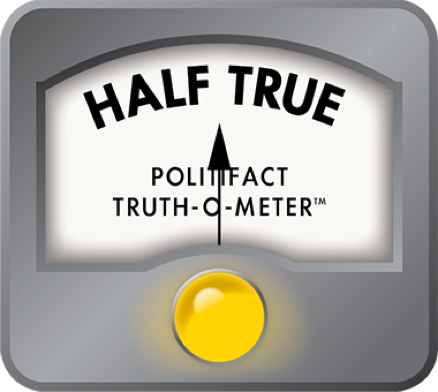
Latest Half-True Fact-checks on Thomas Perez Clear Any Rating True Mostly True Half True Mostly False False Pants on Fire Full Flop Half Flip No Flip Any Speaker Any Date Range Last 3 Months Last 6 Months Last 12 Months 2025 2024 2023 2022 2021 2020 2019 2018 2017 2016 2015 2014 2013 2012 2011 2010 2009 2008 2007 Any Category Thomas Perez stated on March 1, 2017 in an interview on CNN's "New Day": "The primary financing mechanism of the Affordable Care Act is a tax on wealthy people." Thomas Perez stated on February 22, 2017 in a CNN-sponsored debate: "If you're in Texas, you have got to drive 120 miles to get an ID." Thomas Perez stated on May 7, 2015 in an interview on MSNBC's "Morning Joe": Due to "over-incarceration … in 1950, two out of three young black men were in the workforce. Today, it's one out of three black men are in the workforce."
Clear Any Rating True Mostly True Half True Mostly False False Pants on Fire Full Flop Half Flip No Flip Any Speaker Any Date Range Last 3 Months Last 6 Months Last 12 Months 2025 2024 2023 2022 2021 2020 2019 2018 2017 2016 2015 2014 2013 2012 2011 2010 2009 2008 2007 Any Category
Thomas Perez stated on March 1, 2017 in an interview on CNN's "New Day": "The primary financing mechanism of the Affordable Care Act is a tax on wealthy people." Thomas Perez stated on February 22, 2017 in a CNN-sponsored debate: "If you're in Texas, you have got to drive 120 miles to get an ID." Thomas Perez stated on May 7, 2015 in an interview on MSNBC's "Morning Joe": Due to "over-incarceration … in 1950, two out of three young black men were in the workforce. Today, it's one out of three black men are in the workforce."
Thomas Perez stated on March 1, 2017 in an interview on CNN's "New Day": "The primary financing mechanism of the Affordable Care Act is a tax on wealthy people."
Thomas Perez stated on February 22, 2017 in a CNN-sponsored debate: "If you're in Texas, you have got to drive 120 miles to get an ID."
Thomas Perez stated on May 7, 2015 in an interview on MSNBC's "Morning Joe": Due to "over-incarceration … in 1950, two out of three young black men were in the workforce. Today, it's one out of three black men are in the workforce."