Trump visa policy chills free speech, lawyer for journalists, researchers tells federal judge
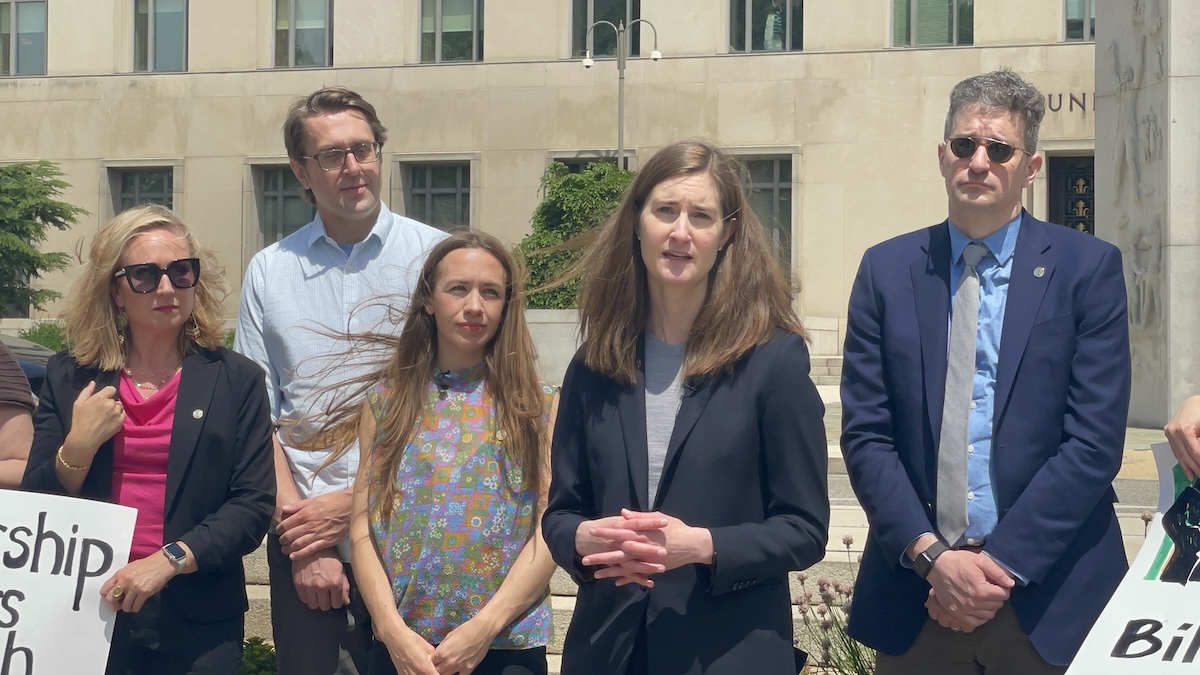
WASHINGTON — In a case that could chill freedom of speech and adversely affect misinformation research and fact-checking, lawyers representing academics, journalists and researchers argued in federal court that a 2025 Trump administration visa policy should be reversed.
The lawsuit targets a policy that restricts foreign officials and people who the U.S. government says are “complicit in censoring Americans” from entering the United States or residing in the U.S. legally, potentially including deportation.
The State Department has said five people were “sanctioned” under the policy: Thierry Breton of France, a former European commissioner for internal markets and digital services; Imran Ahmed, a lawful U.S. permanent resident and the founder of the Center for Countering Digital Hate; Clare Melford of the United Kingdom, co-founder of the Global Disinformation Index; and Josephine Ballon and Anna-Lena von Hodenberg of Germany, co-founders of the group HateAid.
The Trump administration has often characterized content moderation on social media platforms, such as fact-checking, as censorship. The coalition’s First Amendment advocates disagree.
In May 13 oral arguments before Federal District Judge James Boasberg, an attorney representing the Coalition for Independent Technology Research said the Trump administration’s 2025 policy harms the rights of free speech and free association. The attorney, Carrie DeCell, said the policy also violates the Fifth Amendment right to due process protections, and the federal Administrative Procedure Act, which determines how the government makes policy.
“The government is subjecting CITR members and other non-citizens to exclusion, detention and deportation simply for reporting on speech on social media and the harms that might arise from it, and advocating for different content moderation policies and other policies that might govern internet platforms,” DeCell, a senior staff attorney and legislative adviser at the Knight First Amendment Institute, said at a press conference after the hearing.
The policy, DeCell said, “is expansive and incredibly vague, and the chilling effects are correspondingly enormous.”
Secretary of State Marco Rubio issued the policy in May 2025. In December 2025, news outlets reported that the State Department had instructed U.S. consular officers to scrutinize visa applicants for evidence of their work in such fields as misinformation, disinformation, fact-checking, content moderation, trust and safety, and compliance. People the U.S. government considers to be “complicit in censorship” could lose their ability to visit or live in the U.S.
In a Dec. 23 post on X, Under Secretary of State Sarah B. Rogers said the five sanctioned people were “illustrative not exhaustive,” and that she and Rubio were “ready and willing to expand” the list.
The International Fact Checking Network — which is owned by the Poynter Institute, as is PolitiFact — filed a brief supporting the plaintiffs. The IFCN brief warns that the policy would “dissuade foreign journalists from challenging, fact-checking, or even accurately reporting on the Trump administration for fear of retribution.”
In its motion replying to the lawsuit, the federal government defended the policy, saying that its “broad sweep is targeted toward deterring foreign censorship of American speech” and that as secretary of state, Rubio has a “legitimate reason for denying visas to those that seek to suppress Americans’ constitutional rights.”
In the hearing, Boasberg called it “quite a complex case” and described four areas for both sides’ attorneys to address: whether there is one policy or more than one policy at issue; whether the coalition or the individuals, or both, have the legal right for the court to step in; the merits of the case, including its First Amendment issues; and what types of legal remedies would be available if the policy were to be struck down.
Pressed by Boasberg, the attorney for the federal government, Zack Lindsey, said at the hearing that the visa policy did not infringe on the First Amendment because the people targeted worked for or with foreign governments, making their actions — not their words — the relevant factors in the U.S. decision.
DeCell disagreed that the five sanctioned people were working for foreign governments. Instead, the coalition’s lawyers said they experienced “viewpoint discrimination,” a policy of selectively enforcing speech restrictions based on the perspective of the speaker.
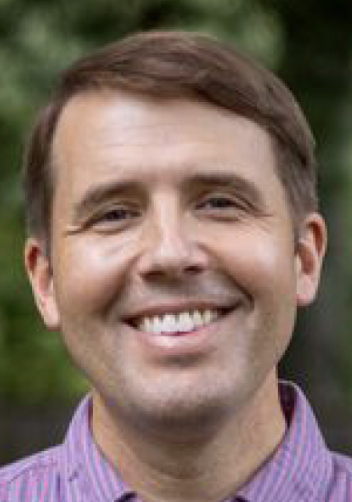
“Today, we asked Judge Boasberg to stop the government from enforcing its policy, which has resulted in the revocation and cancellation of visas and created a deep, chilling (reality) across the ecosystem of researchers who do this important work,” Brandi Geurkink, the coalition’s executive director, said at the press conference.
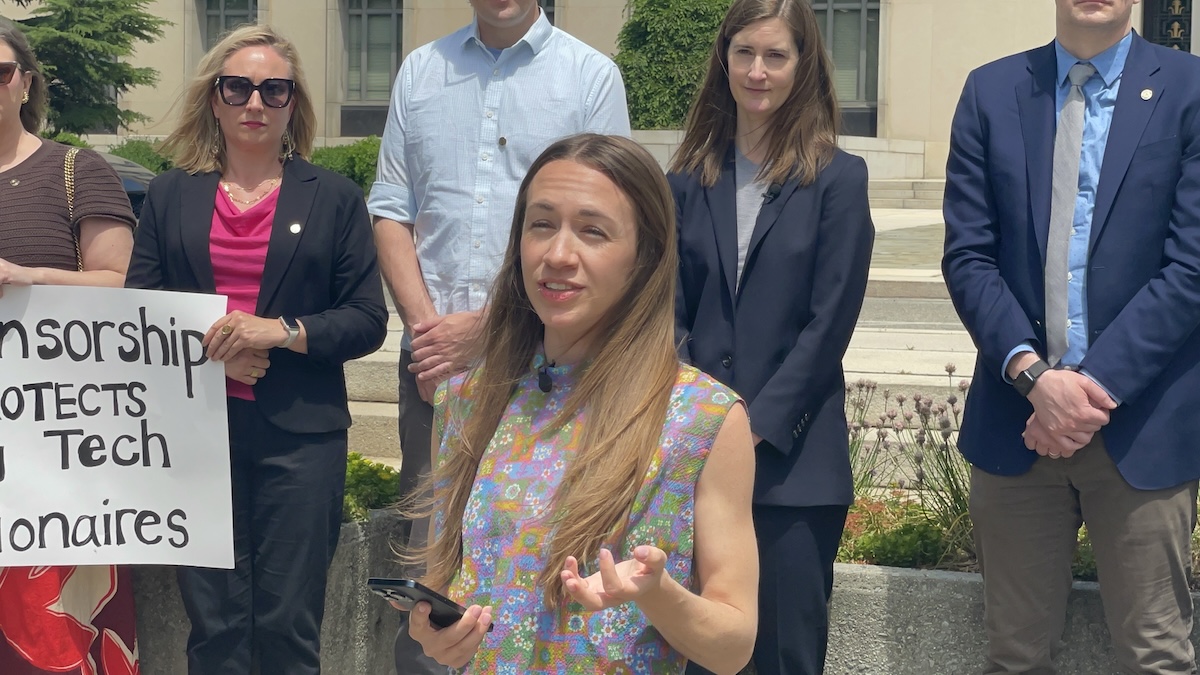
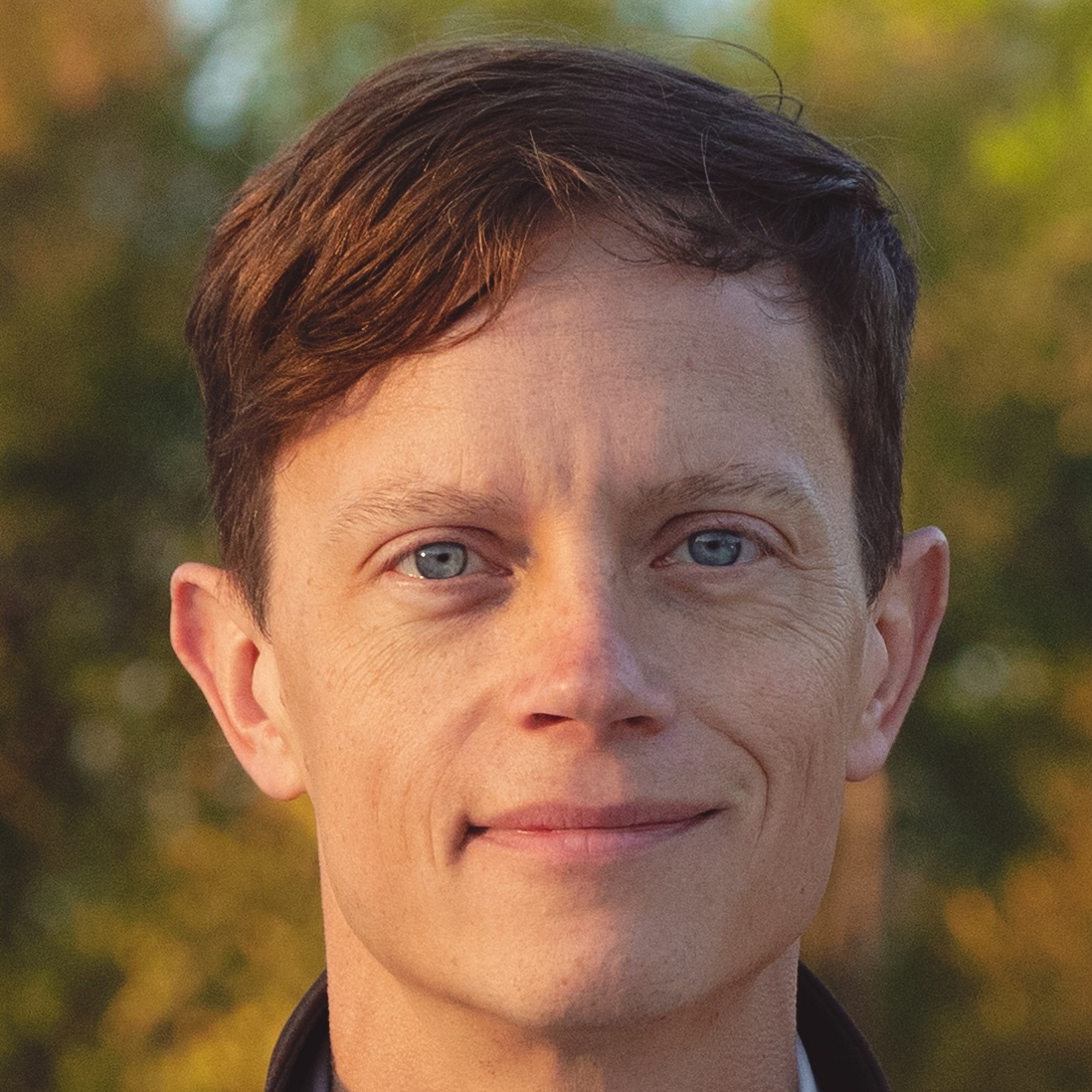
Brandi Geurkink, executive director of the Coalition for Independent Technology Research, discusses her group’s lawsuit against a Trump administration visa policy in Washington, D.C., on May 13, 2026. (Louis Jacobson / PolitiFact)
After the hearing, DeCell said she hopes Boasberg will grant a preliminary injunction in the next few weeks.
The case is Coalition for Independent Technology Research v. Rubio.
Our Sources
Sources linked in article