Republicans “want you to pay $1 Billion for a ballroom.”



Are Republicans seeking $1 billion in taxpayer money to pay for Trump’s White House ballroom?
If your time is short
- A Senate bill seeks $1 billion for security features for the White House’s East Wing Modernization project, which includes the ballroom.
- The bill said the money can’t be used for non-security elements. Separating security and non-security construction is tricky, experts said.
President Donald Trump has insisted that his proposed White House ballroom will be paid for with private donations. Now, Senate Republicans have offered legislation that would spend $1 billion of taxpayers’ money on what they say are security measures for a White House modernization project, which includes the ballroom.
Senators, including Judiciary Chairman Chuck Grassley, R-Iowa, introduced legislation May 4 that would fund the White House security projects. That provision, part of a reconciliation bill, could pass the Senate on a simple majority vote rather than a 60-vote supermajority. The proposal is awaiting a vote.
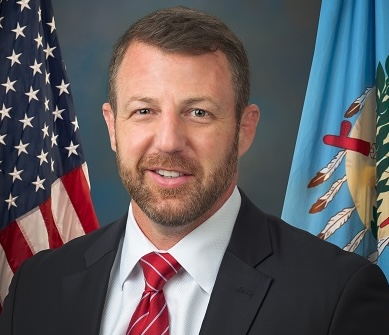
Rep. Marcy Kaptur, D-Ohio, reshared a post with a budget breakdown for the bill.
“The American people are weathering $5 gas, $6 diesel, and skyrocketing fertilizer costs because of the war of choice in Iran,” Kaptur wrote May 5 on X. “And now the GOP want you to pay $1 Billion for a ballroom.”
Other Democrats joined the chorus.
“Republicans are on a different planet than American families,” wrote Senate Minority Leader Chuck Schumer, D-N.Y., in a May 5 X post. “Republicans looked at families drowning in bills and decided what they really needed was more raids and a Trump ballroom.”
Rep. Jamie Raskin, D-Md., wrote May 5 on X: “Trump said, ‘Not one penny is being used from the federal government’ to fund his ballroom boondoggle. True, in the sense that $1 billion is a lot more than one penny! Another GOP billion-dollar bailout for the gaudy gilded king, paid for courtesy of the American commoners—the rest of us minus the billionaires who pay no taxes.”
Grassley’s bill doesn’t say the $1 billion will be used for building the ballroom; it says the money can be used only for security aspects of the East Wing Modernization project, which includes the ballroom. However, experts told PolitiFact it would be difficult to designate project features as purely for security or purely for construction.
A Kaptur spokesperson told PolitiFact that the White House’s support for taxpayer funding amounts to a 180-degree flip after more than a year of Trump saying that no taxpayer funds would be used to construct the ballroom.
Trump’s ballroom size, costs
In October 2025, Trump launched his quest for a White House ballroom by demolishing the White House’s East Wing. Trump said the 90,000-square-foot ballroom would seat 999 people, far larger than any room in the current White House complex. The unprecedented demolition and construction drew a lawsuit by a historic preservation group because the project lacked approval from Congress or the agency that approves construction of federal buildings.
Although the National Capital Planning Commission approved the project April 2, a judicial ruling said it still needs congressional approval.
The White House first said the project would cost $200 million and would be privately funded. Trump later upped that figure to $400 million. Pledges came from individuals and corporations such as Amazon, Google, Meta and Microsoft, according to a White House list.
Following an April 25 shooting inside the hotel hosting the White House Correspondents’ Association dinner that Trump was attending, he said the event was proof that the White House needs a secure ballroom. Some Republicans quickly agreed.
On April 28, Sens. Lindsey Graham, R-S.C., Katie Britt, R-Ala., and Eric Schmitt, R-Mo., introduced a bill authorizing $400 million in federal funding for the “design, construction, and other appropriate expenses to complete the East Wing Modernization Project, including a secure State ballroom.”
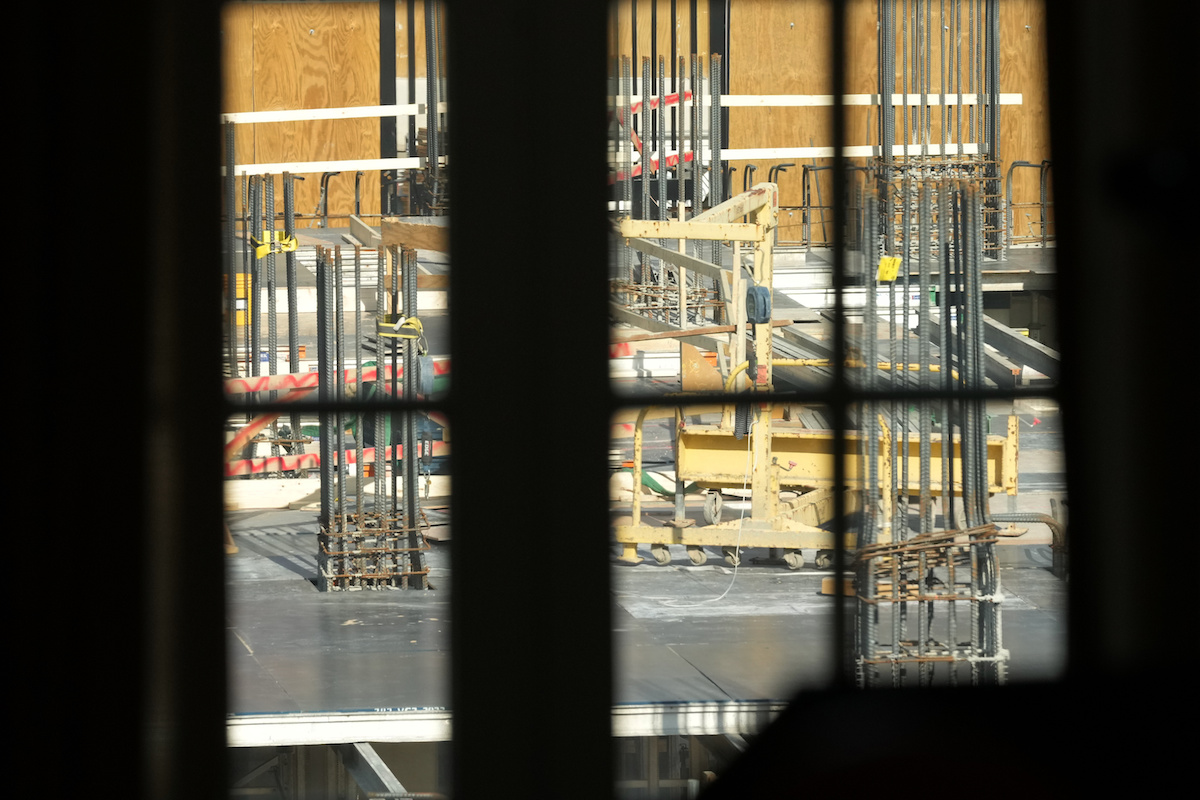
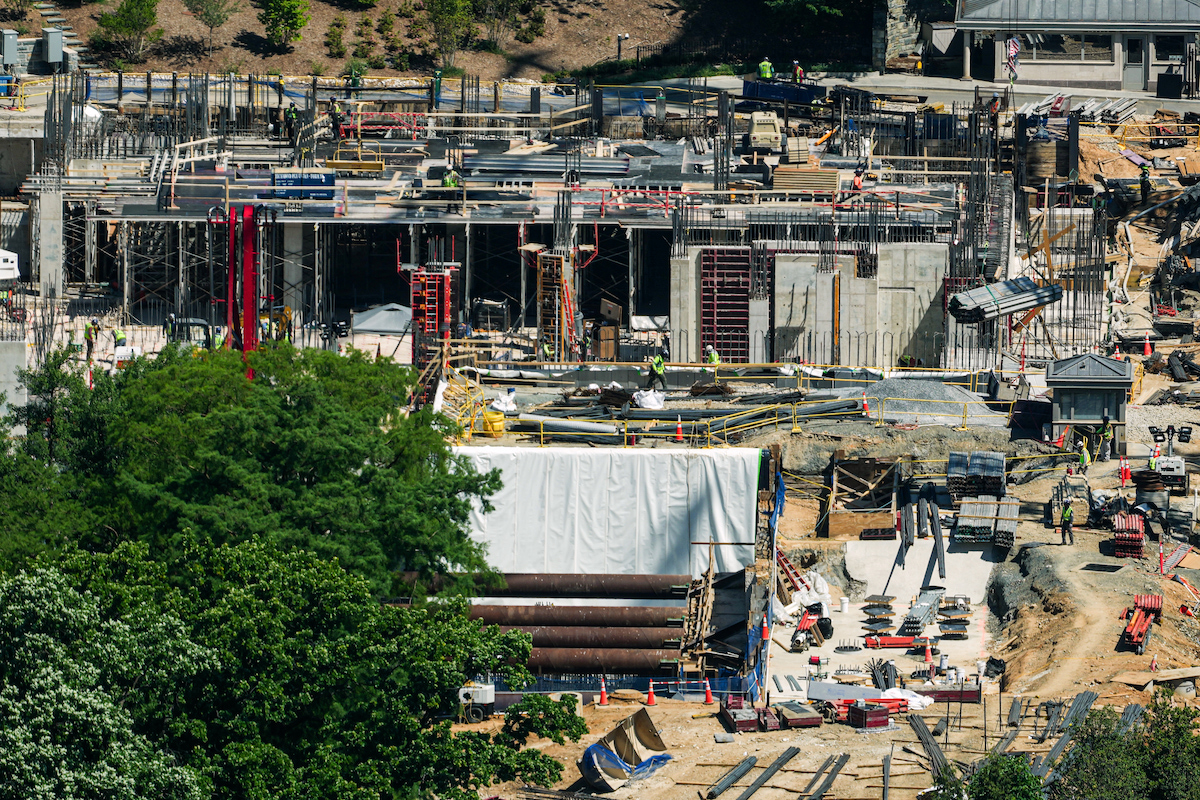
Construction of the new White House Ballroom is seen from a window in the East Room, May 4, 2026, at the White House in Washington. (AP)
What the bill says about the ballroom and security features
Grassley’s legislation says federal funding would support the U.S. Secret Service for security adjustments and upgrades” relating to the “East Wing Modernization Project, including above-ground and below-ground security features.”
The legislation also specifies that the funds can’t be used for “non-security elements of the East Wing Modernization Project.” It doesn’t spell out what is a “non-security” element.
It defines the term “East Wing Modernization Project” as the building plan the National Capital Planning commission approved April 2. That project also includes building a new colonnade, adding a new office suite for the First Lady and replacing a movie theater.
The bill did not specify the security adjustments and upgrades that the legislation would fund, but Trump and the Justice Department have offered some examples of planned security.
In a legal filing last month, the Justice Department said the East Wing project would include “missile resistant steel columns, Military-grade venting, drone-proof ceilings and bullet, ballistic, and blast proof glass;” which it says will protect the main White House and West Wing as well.
The filing also mentions “bomb shelters, a state of the art hospital and medical facilities, Top Secret military installations, structures, and equipment.”
We asked the White House how the $1 billion would be used on the East Wing project and about plans to separate taxpayer money so it’s not used to fund the ballroom.
White House spokesperson Davis Ingle’s reply didn’t answer those questions.
“Congress has rightly recognized the need for these funds,” Ingle said. “Due in part to the recent assassination attempt on President Trump at the White House Correspondents’ Dinner, the proposal would provide the United States Secret Service with the resources they need to fully and completely harden the White House complex, in addition to the many other critical missions for the USSS.”
The White House told PolitiFact that the ballroom would still be funded by private donations.
Can taxpayer funded security features be separated from ballroom construction?
An architectural expert told PolitiFact that separating security features allowed under the legislation from the ballroom would be tricky.
“Security measures must be integrated into the structure and envelope of the building,” said Sara Bronin, an architect and a law professor at the George Washington University Law School. “Unless Congress places clear constraints on the way this money will be spent, taxpayers may end up footing most of the bill.”
Steven Smith, an Arizona State University political scientist who studies Congress, said lawmakers have tools to scrutinize spending, including holding hearings that demand detailed plans and aggressive oversight of all project contracts and developments.
The question is whether Congress — especially under the control of Republicans who are reluctant to rein in Trump — is willing to exercise oversight.
“We have already learned from the president’s sleight of hand in juggling money to bring airport security workers back to work that, to him, all federally appropriated funds are fungible and can be used for whatever he wants,” said Donald Wolfensberger, a former staff director of the House Rules Committee.
Our ruling
Kaptur said Republicans “want you to pay $1 Billion for a ballroom.”
The Republican proposal said funds are only for security upgrades at the East Wing modernization project, which includes the ballroom. It’s unclear how much of the $1 billion would go explicitly toward the ballroom.
The bill said “non-security” elements cannot be funded through the bill. But experts said it’s hard to designate project features as purely for security or purely for construction. For example, the Trump administration has said the ballroom would have “missile resistant steel columns” and ballistic and blast proof glass.
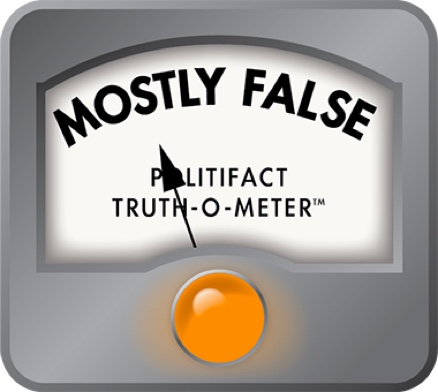
We rate the statement Mostly True.
RELATED: Column: Why a correspondents’ dinner at a White House ballroom could endanger press freedom
Our Sources
Rep. Marcy Kaptur’s X post, May 5, 2026
Senate Minority Leader Chuck Schumer’s X post, May 5, 2026
Rep. Jamie Raskin’s X post, May 5, 2026
Rep. Chip Roy’s X post, April 26, 2026
Rep. Randy Fine’s X post, April 25, 2026
Louisiana Gov. Jeff Landry’s X post, April 25, 2026
President Donald Trump’s Truth Social post, April 16, 2026
The New York Times, Judge Again Halts Aboveground Construction on Trump’s Ballroom, April 16, 2026
Roll Call, Press Conference: Donald Trump Speaks After Correspondents' Dinner Incident - April 25, 2026, April 25, 2026
The White House, The White House Announces White House Ballroom Construction to Begin, July 31, 2025
U.S. Senate Committee on the Judiciary, Grassley Releases Senate Judiciary Title of Reconciliation Bill to Fund Law Enforcement, Safeguard American Communities, May 4, 2026
National Capital Planning Commission, NCPC Approves East Wing Modernization Plans, April 6, 2026
ABC News, Trump defends $400M price tag for White House ballroom construction project, May 6, 2026
New York Times, After Security Scare, Trump Demands Approval for His White House Ballroom, April 26, 2026
PolitiFact, Column: Why a correspondents’ dinner at a White House ballroom could endanger press freedom, April 26, 2026
PolitiFact, President Donald Trump said his new ballroom ‘won’t interfere with the current building.’ Full Flop!, Oct. 22, 2025
PolitiFact, White House construction: How Donald Trump’s ballroom compares with Barack Obama’s renovations, Oct. 31, 2025
Bloomberg Law, Defendants’ Rule 62.1 Motion For an Indicative Ruling Dissolving the Court’s Injunction, April 27, 2026
The Washington Post, With East Wing gone, questions now turn to Trump’s ballroom donors, Oct. 24, 2025
The Associated Press, These are the 37 donors helping pay for Trump’s $300 million White House ballroom, Nov. 12, 2025
U.S. Senator Linsey Ingraham’s website, Graham, Britt, Schmitt Introduce Legislation to Enhance Presidential Security & Fund White House Ballroom, April 28, 2026
Email and phone interview with a Rep. Marcy Kaptur’s spokesperson, May 7, 2026
Email interview with Davis Ingle, a White House spokesperson, May 7, 2026
Email interview with Sara Bronin, an architect and law professor at the George Washington University Law School, May 7, 2026
Email interview with Steven Smith, an Arizona State University political scientist, May 7, 2026
Email interview with Donald Wolfensberger, a former staff director of the House Rules Committee, May 7, 2026