The mixed science on diet sodas, and how to kick your habit

If your time is short
-
Large observational studies have found a correlation between diet sodas and negative health outcomes like Type II diabetes, obesity and cardiovascular issues. But short-term controlled experiments haven’t consistently proven the same.
-
Doctors advise against consuming too many added sugars. So if the choice is between full-sugar soda and diet soda, diet is likely a better option. But choosing water or a non-sweetened drink is more nutritionally advisable.
-
To quit a diet soda habit, try replacing the soda with another carbonated or caffeinated beverage, and pair the new drink with an existing routine. And stay hydrated — you may be reaching for a can just because you are thirsty.
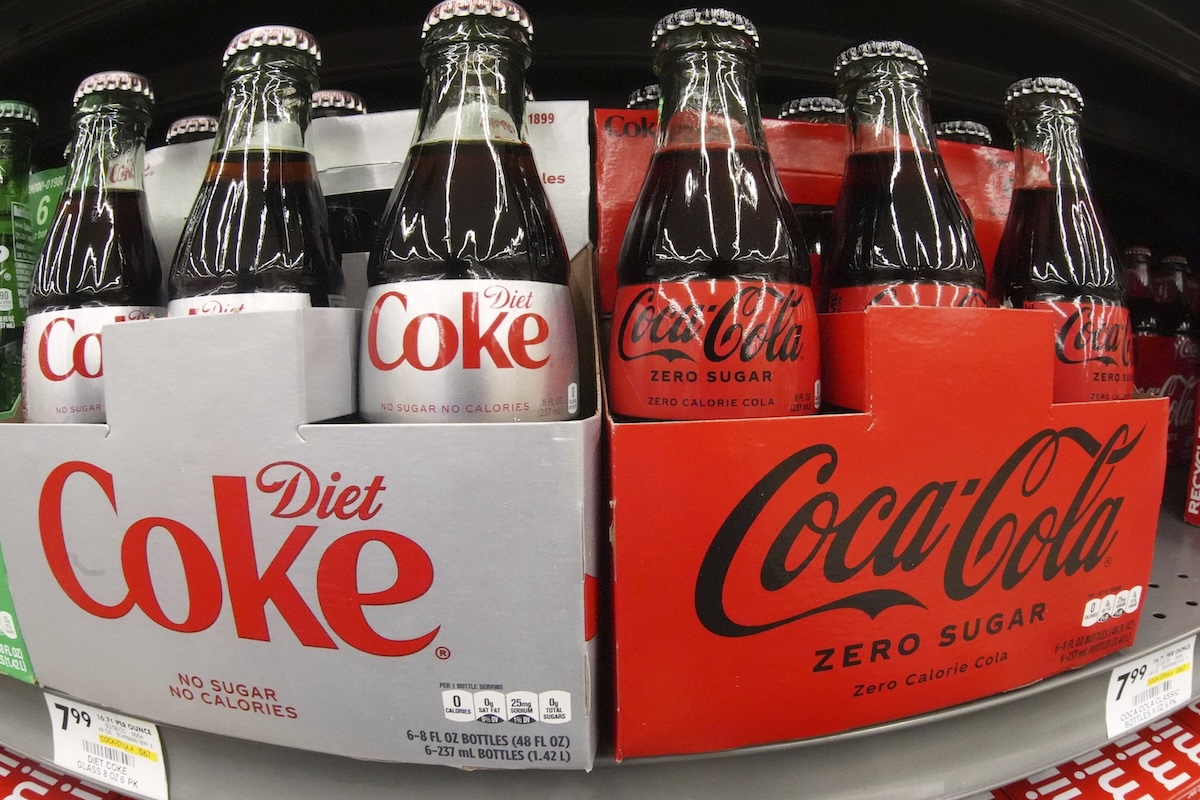
The research on diet sodas has about as much clarity as a glass of Diet Coke.
Studies contradict one another. Some are funded by the beverage industry. The way they are structured can lead to different findings.
Comparisons matter, too. Are diet sodas better for your long-term health than sugary sodas? Probably, yes. But compared to water? Not so much.
Garnish that with claims about the artificial sweetener aspartame causing cancer, diet sodas being addictive, and hyper-sweet flavors affecting brain chemistry, and the health outlook on diet sodas is even more complex.
Here’s a quick guide to navigating the low-calorie beverage menu — and weaning yourself off sweet, fizzy sodas, if you’re ready.
Are diet sodas bad for your health? Studies differ
Several large-scale studies found significant associations between consuming artificially sweetened drinks — like diet sodas — and a number of health issues, including Type II diabetes, obesity, hypertension, metabolic syndrome and cardiovascular issues.
But these were observational studies, meaning scientists compare people’s health outcomes with their diets. A correlation between diet soda consumption and poor health outcomes doesn’t prove the soda caused those outcomes.
There could be other confounding factors. For example, maybe people who drink diet sodas do so because they are already concerned about their health. Or maybe they drink diet soda because they really like high-calorie dishes and want to offset the excess calories they get through that food.
Plus, researchers haven’t consistently found the same negative health outcomes from artificially sweetened drinks when they do smaller and shorter-term experiments to try and establish cause and effect.
In a 2022 systematic review, the World Health Organization examined results from 50 randomized controlled trials. Generally, the studies showed no significant health effects (positive or negative) from these non-sugar sweeteners, or very mild benefits for short-term weight loss and body mass index — particularly when compared to sugary sodas.
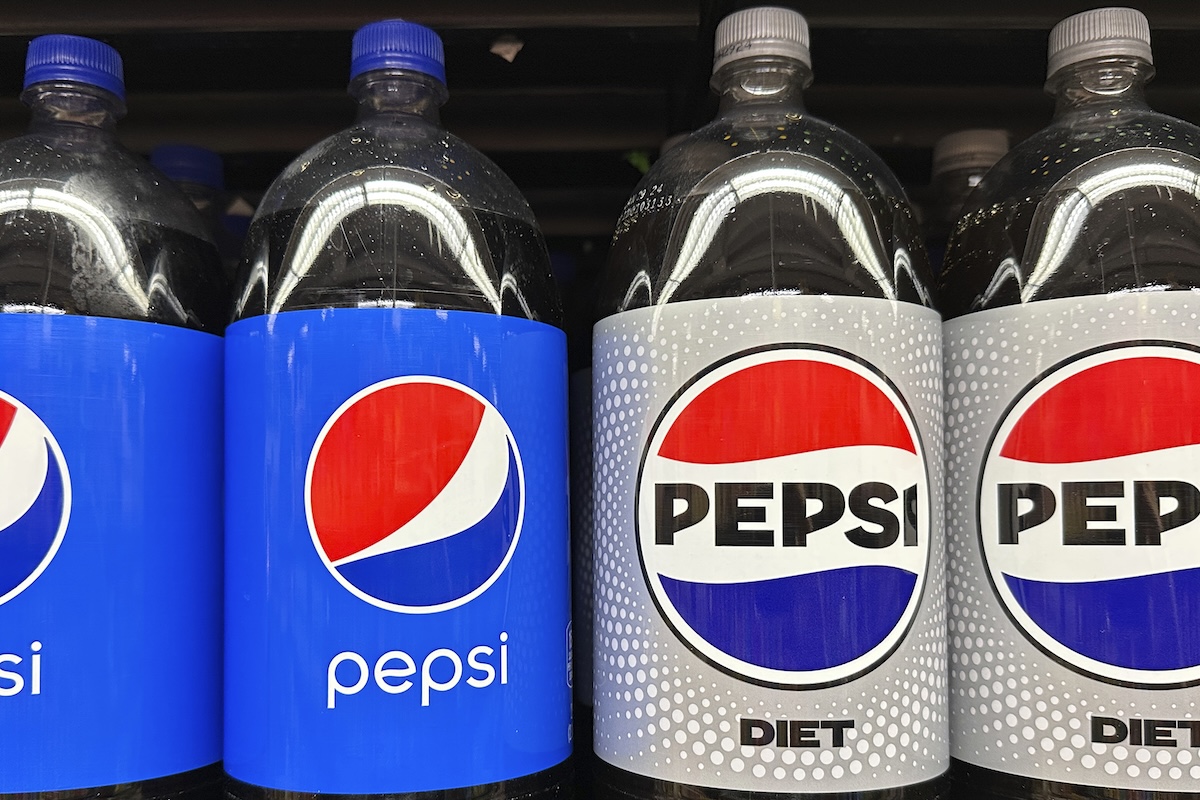
Pepsi sodas are displayed for sale in New York on, Wednesday, Nov. 15, 2023. Large epidemiological studies have found a correlation between diet sodas and negative health outcomes, but short-term controlled trials have not consistently proven causation. (AP)
Diet soda is a healthier option than sugary soda, but neither is best
Although the verdict on diet sodas is still out, we know that Americans consume more than recommended amounts of added sugar, and it’s harming their health.
Sugary drinks are a big part of that. A 12-ounce can of regular Coke contains about 39 grams of sugar. That’s about 10 teaspoons, more than the 9 teaspoons the American Heart Association says adult males should consume at most every day, and the recommended max of 6 teaspoons for women.
Artificial sweeteners, meanwhile, come in smaller doses. That same 12-ounce can of Diet Coke only contains around 200 milligrams — about one-sixteenth of a teaspoon — of aspartame, which is 200 times sweeter than table sugar.
“If a patient is consuming large amounts of regular soda (more than 1 can every week or two) and the alternative is diet soda to satiate a craving for something sweet, I’ll take it,” Dr. Sarah Fishman, an endocrinologist who treats diabetes, said in an email. “But if I can convince someone to go straight from regular soda to water or seltzer, that’s always much preferred.”
Experts we spoke with agreed: Diet soda is a better option than regular soda, but switching to water, or another unsweetened drink like tea, is best.
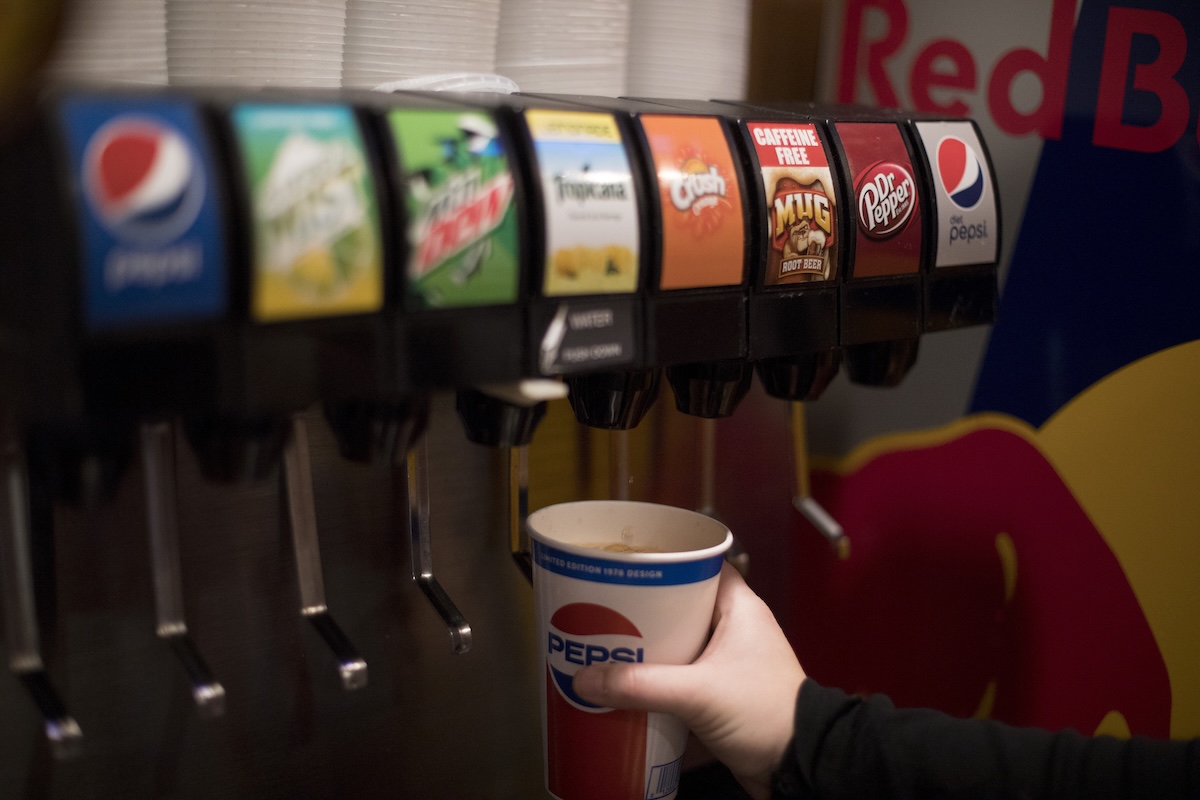
In this Dec. 25, 2018, a person uses a soda fountain dispenser at the Back Bowl bowling alley in Eagle, Colorado. (AP)
Gut microbiome, metabolism, and the brain — other concerns about diet sodas
Diet sodas might have zero calories, but scientists are investigating how they may impact digestion, metabolism and brain chemistry.
Some experimental data in animals and humans shows that non-sugar sweeteners may affect the digestive system microbes that break down food, but it’s not clear yet whether those changes are harmful.
Other researchers are exploring how peoples’ bodies react when they consume something that tastes sweet but doesn’t contain any energy to break down. Drinking a diet soda won’t raise your blood sugar or cause significant insulin release like a regular soda would, but researchers are exploring whether these sweeteners, that are often consumed alongside other carbohydrates, could affect metabolism and insulin sensitivity over the long-term.
“There is a lot of theoretical research in this area but limited actual human studies,” Fishman said.
Scientists have also compared MRI brain scans of people who regularly consume artificial sweeteners and those who don’t and found their brains respond differently to sugar and artificial sweeteners. The results suggest that regularly consuming these hyper-sweet beverages might make that sweet flavor feel less rewarding.
But with many chemically distinct artificial sweeteners on the market, it’s difficult to parse how each one — aspartame, saccharin, sucralose, etc. — affected the gut, brain, and metabolism.
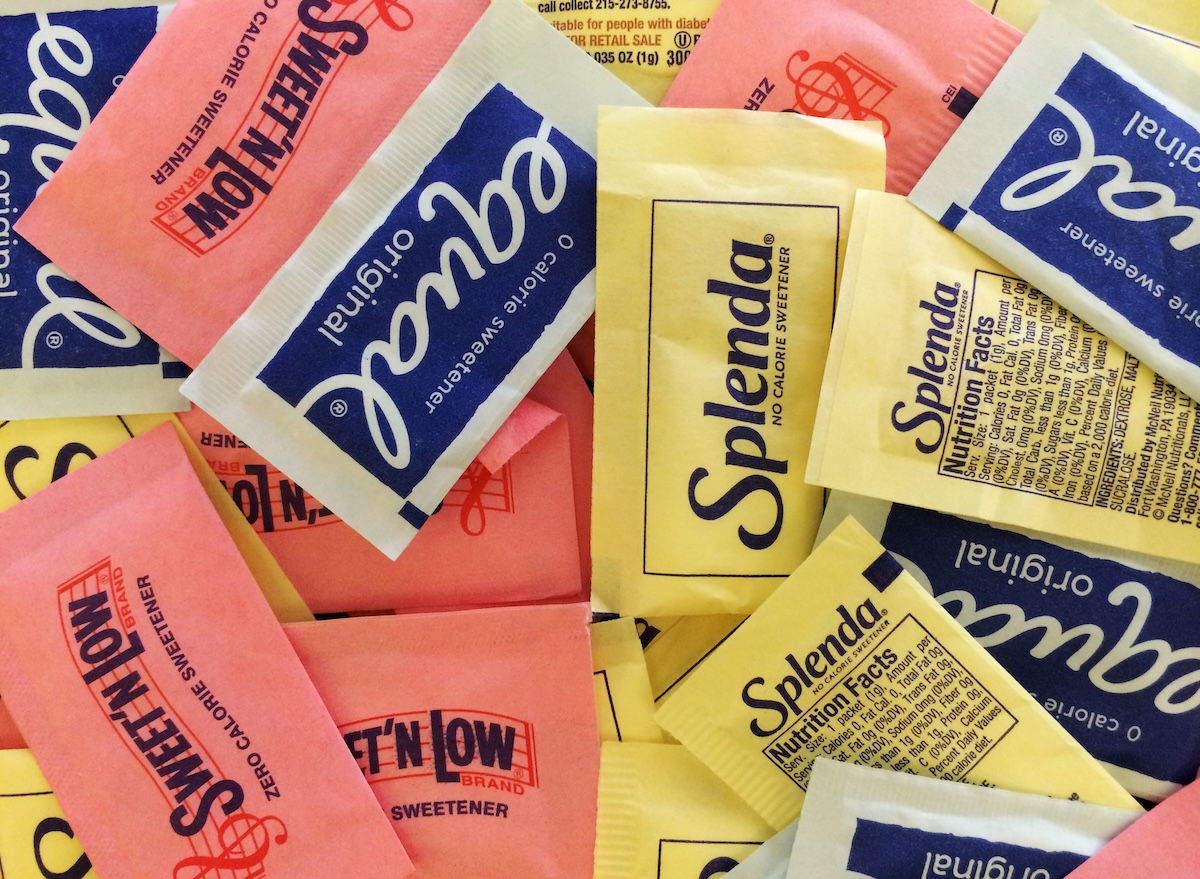
There are several FDA-approved artificial sweeteners on the market. Sometimes they are listed by their chemical name, but you might know their brand names like Splenda (sucralose), Sweet’N Low (saccharin) or Equal (aspartame). (AP)
Do I need to be worried about aspartame?
If you are a regular soda drinker, you may have heard about aspartame being linked to liver cancer. In 2023, The World Health Organization categorized aspartame as possibly carcinogenic to humans.
Some experts criticized the label as hinging on limited evidence, much of it from studies involving only animals. But even if you were worried, you’d have to be guzzling sodas to be in danger because the WHO set the acceptable daily intake of aspartame at 40 milligrams per kilogram of body weight. That means a 150-pound person would have to drink over 13 cans of Diet Coke a day to hit that number.
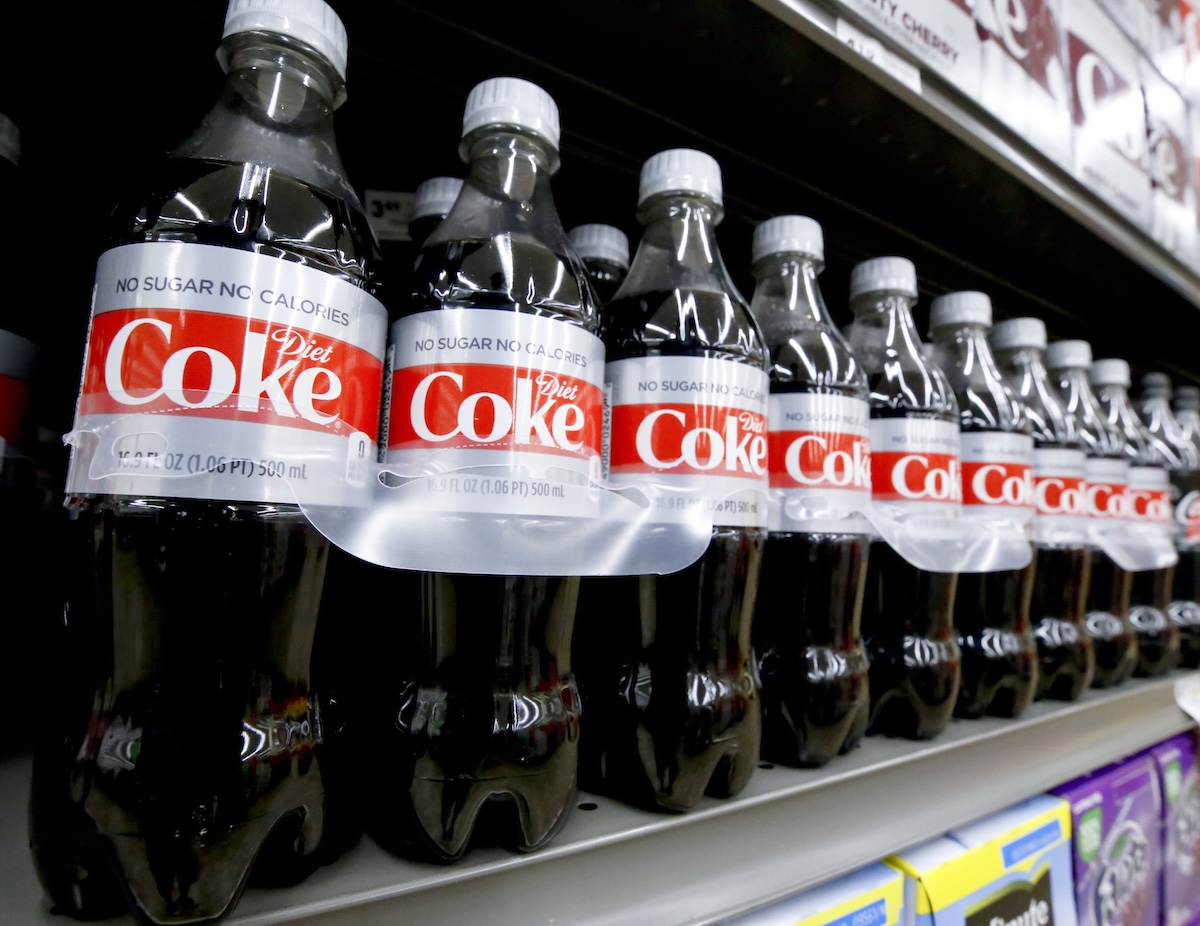
Aspartame is the sweetener used in Diet Coke and other sodas like Diet Pepsi, and Diet Dr. Pepper. It’s also used in sugar-free chewing gum, and zero sugar pancake syrups. (AP)
If you want to quit, here are some strategies
We probably all know someone with a self-proclaimed diet soda addiction. Between caffeine and the beverage’s associations with memories or routines, sodas can often lend a sense of regulation to a person’s day.
Like anything addictive, it can be hard to quit. But Nicole Avena, a neuroscientist studying food addiction, offered these tips for people who want to try:
-
Rather than eliminating any drink, try substituting the soda with sparkling water, flavored seltzer, or unsweetened tea.
-
Gradually reduce caffeine, rather than stopping cold-turkey, to avoid withdrawal.
-
Identify triggers like specific times of day, stress or fatigue that make you turn to the soda.
-
Pair the new drink with something else you already like to do — preferably something that is already a habit or routine.
-
Satisfy thirst with other forms of hydration such as water so that you don’t reach for soda.
Other psychologists suggest adding obstacles between you and your habit, making it more inconvenient to maintain. Maybe store the soda in the garage so you have to go outside to get it, or stop buying soda, except when dining out. These elements of “friction” can break behavior patterns.
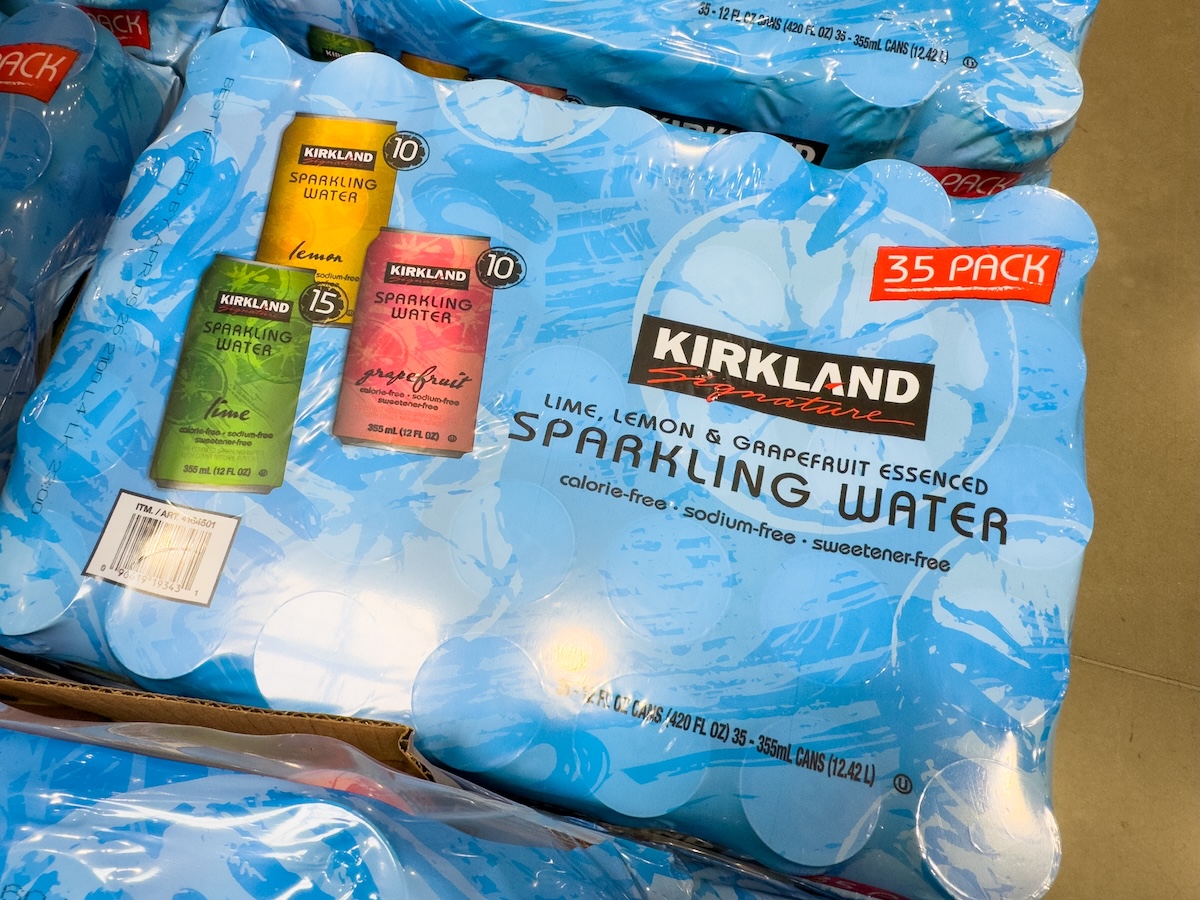
Sparkling water can offer bubbly refreshment without the sweet taste. (Shutterstock)
Our Sources
Interview with Kimber Stanhope, nutritional biologist at UC Davis, April 24, 2026
Interview with Taylor Wallace, food scientist at Think Healthy Group, April 24, 2026
Email interview with Dr.Sarah Fishman, endocrinologist at Premier Endocrine, April 24, 2026
Email interview with Nicole Avena, associate professor of neuroscience at Mt. Sinai, April 26, 2026
Advances in Nutrition, Artificially Sweetened Beverages and Health Outcomes: An Umbrella Review, July 2023
American Heart Association, Effects of Sugar‐Sweetened, Artificially Sweetened, and Unsweetened Beverages on Cardiometabolic Risk Factors, Body Composition, and Sweet Taste Preference: A Randomized Controlled Trial, July 22, 2020
American Heart Association, How Much Sugar Is Too Much?, Sept. 23, 2024
American Journal of Public Health, Diet-Beverage Consumption and Caloric Intake Among US Adults, Overall and by Body Weight, March 2014
Appetite, Amygdala response to sucrose consumption is inversely related to artificial sweetener use, April 2012
Archives of Cardiovascular Diseases, Prospective association of sugar-sweetened and artificially sweetened beverage intake with risk of hypertension, April 2016
Canadian Medical Association Journal, Nonnutritive sweeteners and cardiometabolic health: a systematic review and meta-analysis of randomized controlled trials and prospective cohort studies, July 17, 2017
Cardiovascular and Metabolic Risk, Diet Soda Intake and Risk of Incident Metabolic Syndrome and Type 2 Diabetes in the Multi-Ethnic Study of Atherosclerosis (MESA), Jan. 16, 2009
Cell, Integration of Sweet Taste and Metabolism Determines Carbohydrate Reward: Current Biology, Aug. 21, 2017
Cell, Personalized microbiome-driven effects of non-nutritive sweeteners on human glucose tolerance, Sept. 1, 2022
Cell Metabolism, Short-Term Consumption of Sucralose with, but Not without, Carbohydrate Impairs Neural and Metabolic Sensitivity to Sugar in Humans, March 2020
Centers for Disease Control and Prevention, Get the Facts: Added Sugars, April 24, 2026
Clinical and Experimental Hypertension, Full article: Sugar and artificially sweetened soda consumption linked to hypertension: A systematic review and meta-analysis, Feb. 2015
Clinical Journal of the American Society of Nephrology, Diet Soda Consumption and Risk of Incident End Stage Renal Disease, Jan. 2017
Cureus, Artificially Sweetened Beverages Beyond the Metabolic Risks: A Systematic Review of the Literature, 2023
Current Developments in Nutrition, Diet Soda and Sugar-Sweetened Soda Consumption in Relation to Incident Diabetes in the Northern Manhattan Study, May 2018
Diabetes Care, Sucralose Affects Glycemic and Hormonal Responses to an Oral Glucose Load, 2013
Diabetes Care, Sugar-sweetened or artificially sweetened beverage consumption, physical activity and risk of type 2 diabetes in US adults, Oct. 2, 2019
Diabetologia, Sugar-sweetened or artificially sweetened beverage consumption, physical activity and risk of type 2 diabetes in US adults, April 2025
European Journal of Clinical Nutrition, Associations of diet soda and non-caloric artificial sweetener use with markers of glucose and insulin homeostasis and incident diabetes, 2019
European Journal of Preventive Cardiology, Effect of the natural sweetener, steviol glycoside, on cardiovascular risk factors: A systematic review and meta-analysis of randomised clinical trials, 2015
Food and Drug Administration, Aspartame and Other Sweeteners in Food, Feb. 27, 2025
Frontiers in Nutrition and Metabolism, Artificially sweetened beverages do not influence metabolic risk factors: a systematic review and meta-analysis, May 2025
Harvard Health, The sweet danger of sugar, April 6, 2026
Healthline, Do Artificial Sweeteners Spike Your Blood Sugar?, March 17, 2025
International Agency on the Research of Cancer, Aspartame hazard and risk assessment results released – IARC, July 14, 2023
International Journal of Environmental Research and Public Health, Consumption of a Beverage Containing Aspartame and Acesulfame K for Two Weeks Does Not Adversely Influence Glucose Metabolism in Adult Males and Females: A Randomized Crossover Study, 2020
International Journal of Obesity, Changes in water and beverage intake and long-term weight changes: results from three prospective cohort studies, Oct. 2013
International Journal of Obesity, Non-nutritive sweetened beverages versus water after a 52-week weight management programme: a randomised controlled trial, 2024
IRIS, Health effects of the use of non-sugar sweeteners: a systematic review and meta-analysis, 2022
Journal of General Internal Medicine, Diet Drink Consumption and the Risk of Cardiovascular Events: A Report from the Women’s Health Initiative, Dec. 2014
Journal of the American College of Nutrition, Full article: Associations Between Nonnutritive Sweetener Intake and Metabolic Syndrome in Adults, 2018
Journal of the American Geriatric Society, Diet soda intake is associated with long-term increases in waist circumference in a bi-ethnic cohort of older adults: The San Antonio Longitudinal Study of Aging, 2015
Kendall Reagan Nutrition Center, The Low Down on Diet Drinks - How Much is Okay?, Aug. 2019
MD Anderson Cancer Center, Diet soda and cancer risk: What you should know, April 9, 2025
National Kidney Foundation, Say No to That Diet Soda?, Aug. 12, 2014
Nature, Artificial sweeteners induce glucose intolerance by altering the gut microbiota, Sept. 2014
Nature Metabolism, Effect of sweeteners and sweetness enhancers on weight management and gut microbiota composition in individuals with overweight or obesity: the SWEET study, Oct. 2025
New England Journal of Medicine, Physiological Integration of Taste and Metabolism, May 8, 2024
Nutrients, Effect of Non-Nutritive Sweeteners on the Gut Microbiota, 2023
Nutrients, High Added Sugars Intake among US Adults: Characteristics, Eating Occasions, and Top Sources, 2015–2018, Jan. 2023
Nutrients, Long-Term Consumption of Sucralose Induces Hepatic Insulin Resistance through an Extracellular Signal-Regulated Kinase 1/2-Dependent Pathway, 2023
Nutrients, The Effect of Non-Nutritive Sweetened Beverages on Postprandial Glycemic and Endocrine Responses: A Systematic Review and Network Meta-Analysis, Feb. 20, 2023
Obesity Reviews, Effects of nonnutritive sweeteners on body weight and BMI in diverse clinical contexts: Systematic review and meta-analysis, March 2020
Physiology and Behavior, Altered processing of sweet taste in the brain of diet soda drinkers, Nov. 2012
PLOS Medicine, Financial Conflicts of Interest and Reporting Bias Regarding the Association between Sugar-Sweetened Beverages and Weight Gain: A Systematic Review of Systematic Reviews, Dec. 31, 2013
PLOS One, Effects of the Non-Nutritive Sweeteners on Glucose Metabolism and Appetite Regulating Hormones: Systematic Review of Observational Prospective Studies and Clinical Trials, Aug. 18, 2016
Salt Lake Tribune, Is Diet Coke better for you than regular soda? Researching aspartame and other factors, Feb. 3, 2025
The American Journal of Clinical Nutrition, Consumption of artificially and sugar-sweetened beverages and incident type 2 diabetes, March 2013
The American Journal of Clinical Nutrition, Effect of drinking soda sweetened with aspartame or high-fructose corn syrup on food intake and body weight, June 1990
The American Journal of Clinical Nutrition, Low-calorie sweeteners and body weight and composition: a meta-analysis of randomized controlled trials and prospective cohort studies, Sept. 2014
The American Journal of Clinical Nutrition, Sugar-sweetened and artificially sweetened beverage consumption and risk of type 2 diabetes in men, June 2011
The Coca-Cola Company, How much sugar is in Coca-Cola?, accessed April 27, 2026
The Journal of Nutrition, Sugar-Sweetened Beverage but Not Diet Soda Consumption Is Positively Associated with Progression of Insulin Resistance and Prediabetes, Dec. 2016
The New York Times, Coca-Cola Funds Scientists Who Shift Blame for Obesity Away From Bad Diets, Aug. 9, 2015
The Ohio State University Health, Is diet soda ‘bad’ for you?, Aug. 11, 2023
UCLA Health, Observational studies shed light on diet soda consumption, July 2022
World Health Organization, Aspartame hazard and risk assessment results released, July 14, 2023