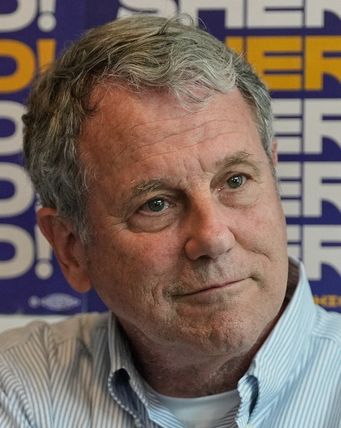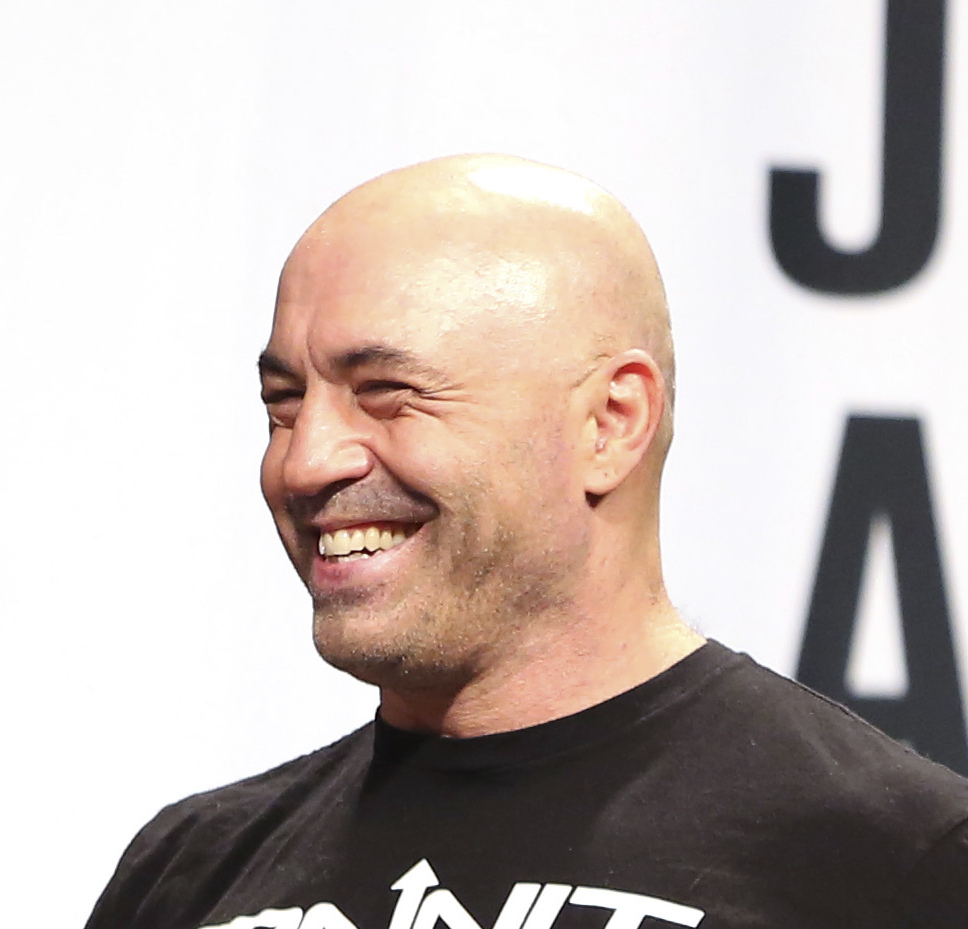
“With one dose of ibogaine, more than 80% of people are free of (opioid) addiction. With two doses, it’s more than 90%.”

Joe Rogan exaggerates efficacy of psychedelic ibogaine for treating opioid addiction
If your time is short
-
Ibogaine is a plant-derived psychedelic medication that is illegal in the U.S. and many other countries. It causes hallucinations that can last more than 24 hours and cause cardiac problems.
-
Studies show that ibogaine can be effective for short-term opioid addiction treatment, especially reducing drug cravings and some withdrawal symptoms.
-
None of the three studies that looked at ibogaine and longer-term opioid cessation found numbers as high as Rogan said. These small, observational studies found opioid cessation rates between 23% to 55% after a year.
Opioid addiction has shattered countless American lives. A near-perfect cure could be miraculous and podcaster Joe Rogan recently said it’s within reach.
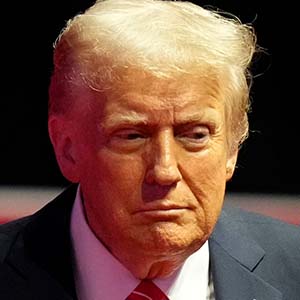
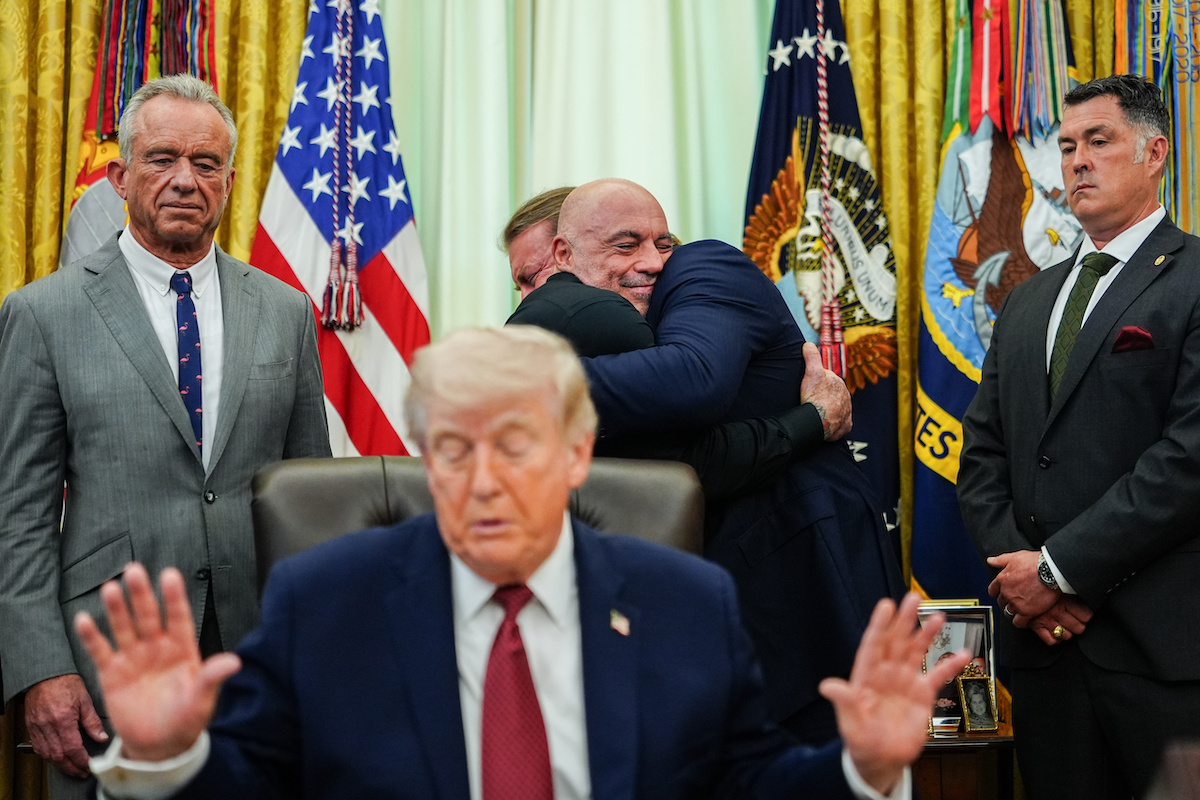
“With one dose of Ibogaine, more than 80% of people are free of that addiction,” he said April 18 at the White House, where President Donald Trump signed an executive order concerning the drug. “With two doses, it’s more than 90%.”
Ibogaine is a psychedelic medication derived from the Iboga shrub found in Central and West Africa. When taken in large amounts, it causes hallucinations that can last more than 24 hours and cause cardiac problems.
The Trump administration’s new executive order directs federal agencies to make psychedelic drugs, including ibogaine, more available to researchers and patients while funneling money toward new research.
Ibogaine has shown some promise in treating opioid addiction, but published research is minimal, largely because it’s illegal in many countries, including the U.S.
So far, studies have found ibogaine is especially beneficial for reducing withdrawal symptoms and drug cravings in the days and weeks after taking it. One study, for example, found that 80% of people reported that ibogaine drastically reduced or eliminated their withdrawal symptoms — that may be where Rogan got this number. Rogan did not respond to PolitiFact’s request for evidence.
But getting through withdrawal and being “free” from addiction are not the same thing.
There is some evidence ibogaine may help people quit opioids long-term, but none of the available research shows rates of long-term abstinence from opioids as high as Rogan described.
Interest in ibogaine as an addiction treatment goes back decades
The idea of using ibogaine to support sobriety dates back to 1962, when Howard Lotsof credited the drug for freeing him from his heroin addiction at 19 years old. Lotsof spent the rest of his life advocating for the treatment.
Over the next several decades, case reports and anecdotal success stories provided hope to people struggling with opioid addiction.
But formal research has been lacking. The U.S. classified ibogaine as a Schedule I drug in 1970, a category defined as having a high potential for abuse and no medical benefit. In 1993, the U.S. Food and Drug Administration approved a Phase I clinical trial to test low doses of the drug but suspended it in 1995 because of lack of funding.
Americans seeking to use ibogaine to curb their addictions often travel to Brazil, Mexico or New Zealand, where clinics offer ibogaine treatment.
Small, observational studies show promise, but their methodology is lacking
Researchers have conducted a handful of small, observational studies since the turn of the century. In most cases, researchers followed people in the days or weeks after taking the drug and observed positive results, including significant reductions in withdrawal symptoms and drug cravings. Being observational means the study’s researchers didn’t manipulate the environment or assign treatment as they would in an experimental study.
We identified three such studies that followed patients for longer periods to assess ibogaine’s effects on long-term cessation. None of them looked at the effects of multiple doses.
-
A 2017 study followed 30 opioid-addicted patients treated at clinics in Mexico. One month after treatment, 50% of participants reported no opioid use. It dropped to 33% of all participants after three months and 23% of all participants after a year.
-
Another 2017 study followed 14 participants treated at New Zealand clinics. After 12 months, 55% of the 11 patients who remained in the study reported being opioid-free for the 30 days prior.
-
A 2018 survey asked 88 patients who completed ibogaine treatment in Mexico between 2012 and 2015. Respondents noted acute benefits of treatment, with 80% saying their “withdrawal symptoms were eliminated or drastically reduced.” Thirty percent reported never using opioids again after treatment. Among those who abstained, 54% had done so for at least a year, and 31% for two years. Seventy percent of the original 88 reported relapsing after treatment.
Alan K. Davis, an Ohio State University professor who coauthored the 2018 survey, said they didn’t know where Rogan got the figures he referenced at the White House.
“This is not based on science and is likely anecdotal or marketing data from an ibogaine clinic,” Davis told PolitiFact.
Existing ibogaine research comes with limitations
Results from ibogaine studies are promising, but much more research is needed before safety and efficacy is fully understood, experts said.
Geoff Nadler, a medical anthropologist and the author of the New Zealand study, said that because his research was observational, the methodology is “weak” and not “representative of all treatment outcomes for ibogaine or any other treatment.”
“We didn’t recruit people to be treated and set the conditions of their treatment,” Nadler said. “We just observed the treatment outcomes of a group of people who decided to be treated.”
There have been a few placebo-controlled clinical trials, but they have focused on ibogaine’s safety, not on its benefits for addiction treatment.
It’s also hard to measure whether a person has been “freed” from addiction, a challenge across treatment research. Results can shift depending on how long researchers tracked patients, whether the drug abstention is self-reported or confirmed with drug testing, and how many patients dropped out of the study. Which drugs study participants are using — heroin versus fentanyl, for example — can also affect recovery outcomes.
These factors make it hard to compare the success of various treatments but a Harvard Review of Psychiatry review of longitudinal studies found that after 10 years, only about 30% of people were still abstaining from opioids at the most recent follow up.
Ibogaine comes with cardiac risks, but shows promise for other mental health treatment
Even with Trump’s new executive order, ibogaine may face obstacles to becoming a mainstream, FDA-approved treatment.
Its biggest documented risk so far is cardiotoxicity, said Kirsten Cherian, a Stanford University neuropsychologist researching ibogaine. The drug has been linked to multiple heart attacks and deaths.
Cherian said there are ways to mitigate this risk: Screening for existing cardiac issues, giving magnesium with the drug to protect the heart and monitoring the heart during treatment.
Ibogaine’s side effects are significant. People taking it report experiencing intense hallucinations lasting more than 24 hours and involving intense or traumatic visions or memories. It can cause nausea, vomiting, and loss of muscle coordination.
The drug has shown promise beyond treating addiction. In 2024, Stanford University researchers found that veterans with traumatic brain injuries experienced improvements in depression and anxiety symptoms after taking ibogaine.
Our ruling
Rogan said, “With one dose of ibogaine, more than 80% of people are free of (opioid) addiction. With two doses, it’s more than 90%.”
The treatment shows promise, but we found no research supporting this statement. Limited studies show acute benefits from ibogaine treatment such as reduced drug cravings and improved withdrawal symptoms following treatment.
But the existing research into whether this treatment helps people to quit long term is observational and limited by small sample sizes. The studies have identified opioid cessation rates ranging from 23 to 55% after a year.
That’s a significant figure, but it’s not close to the rate Rogan said.
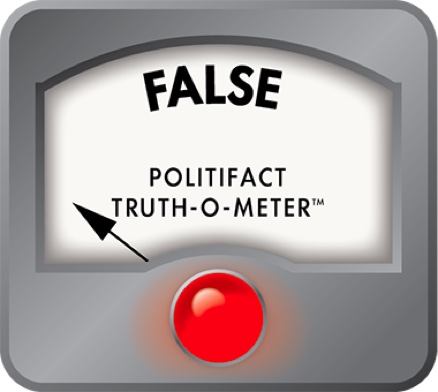
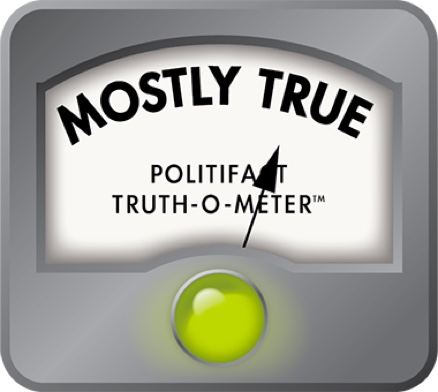
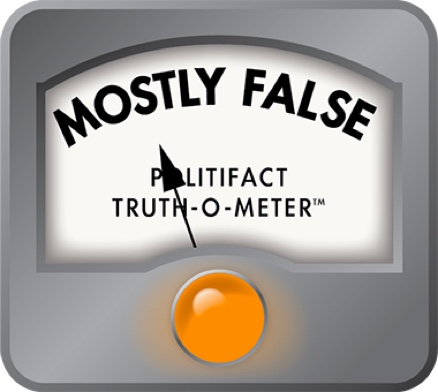
The statement contains an element of truth but ignores critical facts that would give a different impression. We rate this claim Mostly False.
Our Sources
Email Interview with Alan K. Davis, an Ohio State University professor and director of the Center for Psychedelic Drug Research and Education, April 20, 2026
Email interview with Geoff Noller, a medical anthropologist based in Dunedin, New Zealand, April 20, 2026
Email interview with Kirsten Cherian, clinical assistant professor and neuropsychologist at Stanford University School of Medicine, April 21, 2026
C-SPAN, Joe Rogan and Trump, April 18, 2026
University of Virginia’s Monthly Bulletin for Health Care Professionals Who Managed Poisoned Patients, Ibogaine Tox Talks, January 2025
Experience Ibogaine, Ibogaine’s Legal Status by Country (2026), visited April 2026
The New York Times, Powerful Psychedelic Gains Renewed Attention as a Treatment for Opioid Addiction, March 5, 2024
The Alkaloids: Chemistry and Biology, Chapter 1 Ibogaine: A review, Volume 56, 2001, pages 1-38
Journal of Psychoactive Drugs, Remission of Severe Opioid Use Disorder with Ibogaine: A Case Report, May 18, 2016
Journal of Psychedelic Studies, Novel treatment of opioid use disorder using ibogaine and iboga in two adults in: Journal of Psychedelic Studies Volume 4 Issue 3, Jan. 1, 2021
The New York Times, A Bizarre Drug Tested in the Hope of Helping Drug Addicts, Oct. 27, 1993
Journal of Psychoactive Drugs, Changes in Withdrawal and Craving Scores in Participants Undergoing Opioid Detoxification Utilizing Ibogaine, April 2, 2018
The American Journal on Addictions, Treatment of Acute Opioid Withdrawal with Ibogaine, Feb. 18, 2010
The Alkaloids Chemistry and Biology, Chapter 8 Ibogaine in the treatment of heroin withdrawal, February 2021
Frontiers in Pharmacology, Ibogaine Detoxification Transitions Opioid and Cocaine Abusers, Between Dependence and Abstinence: Clinical Observations and Treatment Outcomes, June 4, 2018
Clinical Pharmacology in Drug Development Ascending Single‐Dose, Double‐Blind, Placebo‐Controlled Safety Study of Noribogaine in Opioid‐Dependent Patients, Feb. 10, 2016
The Journal of Clinical Pharmacology, Ascending‐dose study of noribogaine in healthy volunteers: Pharmacokinetics, pharmacodynamics, safety, and tolerability, Oct. 3, 2014
Journal of Psychedelic Studies, Volume 2 Issue 1 (2018), A phenomenological investigation into the lived experience of ibogaine and its potential to treat opioid use disorders in: Journal of Psychedelic Studies, June 1, 2018
UC Berkeley Center for the Science of Psychedelics, Ibogaine Therapy Information, accessed April 22, 2026
Journal of Psychedelic Studies, A phenomenological analysis of the subjective experience elicited by ibogaine in the context of a drug dependence treatment, Aug. 25, 2017
Nature Medicine, Magnesium–ibogaine therapy in veterans with traumatic brain injuries, Jan. 5, 2024
The New York Times, Powerful Psychedelic Gains Renewed Attention as a Treatment for Opioid Addiction, March 5, 2024
The Alkaloids: Chemistry and Biology, Chapter 8 Ibogaine in the treatment of heroin withdrawal, 2001
Journal of Substance Abuse Treatment, A systematic literature review of clinical trials and therapeutic applications of ibogaine, July 2022
Journal of Substance Abuse Treatment, A Preliminary Investigation of Ibogaine: Case Reports and Recommendations for Further Study, July-August 1994
The Guardian, Ten years of therapy in one night, Sept. 19, 2003
The Associated Press, Trump signs order to speed review of psychedelics, including the controversial drug ibogaine, April 18, 2026
CNN, Trump expected to sign executive order urging more research into psychedelic ibogaine, April 16, 2026
The New York Times, It’s an Obscure Psychedelic Used to Treat Trauma. Could It Help Me? April 21, 2026
Clinical Toxicology, How toxic is ibogaine? - PubMed, Jan. 25, 2016
Drug and Alcohol Dependence, Long-term outcomes from the National Drug Abuse Treatment Clinical Trials Network Prescription Opioid Addiction Treatment Study - PubMed, May 1, 2015
American Journal of Drug and Alcohol Abuse, Treatment of opioid use disorder with ibogaine: detoxification and drug use outcomes, 2018
American Journal of Drug and Alcohol Abuse, Ibogaine treatment outcomes for opioid dependence from a twelve-month follow-up observational study, 2018
Journal of Psychedelic Studies, Subjective effectiveness of ibogaine treatment for problematic opioid consumption: Short- and long-term outcomes and current psychological functioning, 2018
The American Journal on Addictions, Treatment of Acute Opioid Withdrawal with Ibogaine, 1999
Frontiers in Neuropharmacology, Ibogaine Detoxification Transitions Opioid and Cocaine Abusers Between Dependence and Abstinence: Clinical Observations and Treatment Outcomes, 2018
Journal of Psychoactive Drugs, Changes in Withdrawal and Craving Scores in Participants Undergoing Opioid Detoxification Utilizing Ibogaine, 2018
Journal of Substance Abuse Treatment, A systematic literature review of clinical trials and therapeutic applications of ibogaine, 2022
The Alkaloids, (PDF) Chapter 8 Ibogaine in the treatment of heroin withdrawal, 2001
Journal of Psychopharmacology, Treating drug dependence with the aid of ibogaine: A retrospective study, 2014
Current Neuropharmacology, Ibogaine/Noribogaine in the Treatment of Substance Use Disorders: A Systematic Review of the Current Literature, 2023
Nature Medicine, Magnesium–ibogaine therapy in veterans with traumatic brain injuries, Jan. 5, 2024
Nature Mental Health, Magnesium–ibogaine therapy effects on cortical oscillations and neural complexity in veterans with traumatic brain injury, July 24, 2025
Stanford Medicine, Psychoactive drug ibogaine effectively treats traumatic brain injury in special ops military vets, Jan. 5, 2024
Healthline, Ibogaine Treatment for Addiction: What the Research Says, Sept. 30, 2024
Journal of Substance Abuse Treatment, One year of methadone maintenance treatment in a fentanyl endemic area: Safety, repeated exposure, retention, and remission, July 14, 2023
The White House, Accelerating Medical Treatments for Serious Mental Illness, April 18, 2026
The New York Times, It’s an Obscure Psychedelic Used to Treat Trauma. Could It Help Me?, March 1, 2026
Clinical Toxicology, How toxic is ibogaine?, 2016
Recovery Research Institute, How prevalent is recovery from opioid use disorder in the United States and how do people get there?, 2019
Cureus, Multiple Episodes of Cardiac Arrest Induced by Treatment With Ibogaine: A Case Report, June 29, 2024
Therapeutic Advances in Psychopharmacology, Ibogaine-associated cardiac arrest and death: case report and review of the literature, 2016
The New York Times, Howard Lotsof Dies at 66; Saw Drug Cure in a Plant, Feb. 17, 2010
Recovery Research Institute, 28 Long-term Studies on Outcomes for Opioid Use Disorder Patients, 2015
Drug and Alcohol Dependence, Long-term outcomes from the National Drug Abuse Treatment Clinical Trials Network Prescription Opioid Addiction Treatment Study, May 2015
Harvard Review of Psychiatry, Long-term course of opioid addiction, 2015
The American Journal on Addictions, Long-term treatment with buprenorphine/naloxone in primary care: results at 2-5 years, 2008
JAMA Network, Primary Care–Based Buprenorphine Taper vs Maintenance Therapy for Prescription Opioid Dependence, Dec. 2014
Druge and Alcohol Dependence, Recovery from opioid use disorder: A 4-year post-clinical trial outcomes study, May 2022
Addiction, Long-term outcomes after randomization to buprenorphine/naloxone versus methadone in a multi-site trial, Jan. 13, 2016