
“The United States Supreme Court just ruled against men playing in women’s sports."

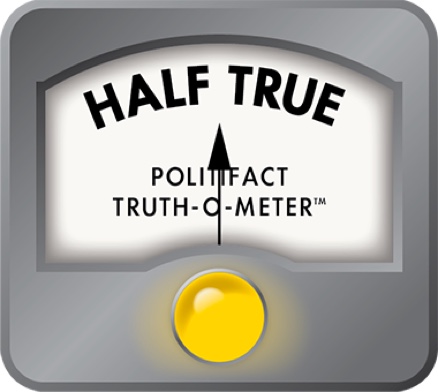

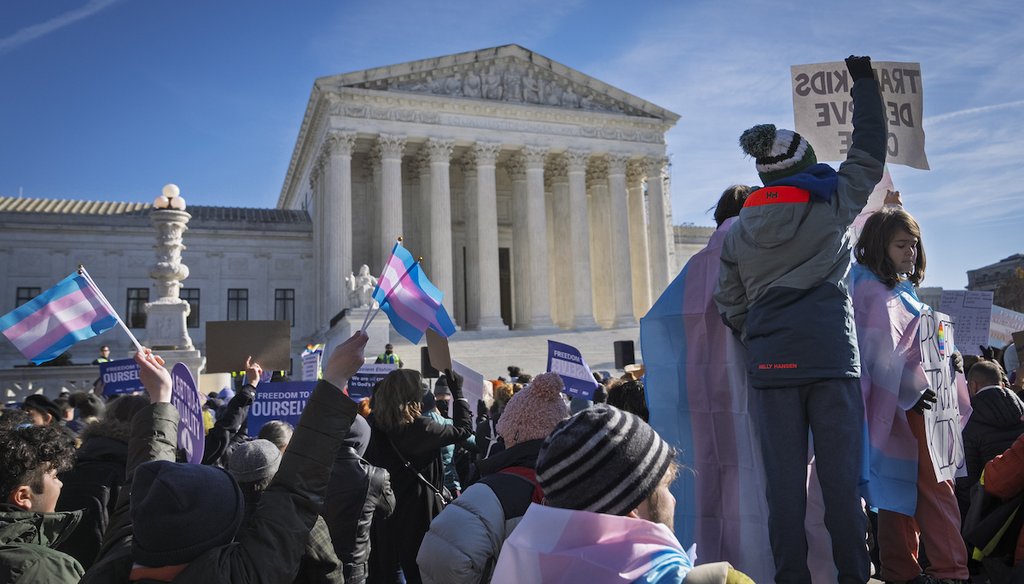
Supporters of transgender rights rally by the Supreme Court, Wednesday, Dec. 4, 2024, in Washington, while arguments are underway in a case regarding a Tennessee law banning gender-affirming medical care for transgender youth. (AP)

The Supreme Court ruled that states can prohibit transgender girls and women from participating in girls' and women’s sports teams in schools that receive federal funds.
The court did not enact a nationwide ban or decide whether laws or policies allowing transgender girls and women to compete on the team that aligns with their gender identity are allowed.
President Donald Trump celebrated the Supreme Court’s June 30 ruling that states can ban transgender girls and women from girls’ and women’s school sports teams.
The ruling upheld laws in West Virginia and Idaho that prohibited transgender girls and women — people who were assigned male at birth but identify as women — from competing on girls’ and women’s sports teams at publicly funded schools and colleges.
"The United States Supreme Court just RULED AGAINST MEN PLAYING IN WOMEN’S SPORTS," Trump said in a June 30 Truth Social post, saying the ruling "takes that ridiculous situation off the table."
The White House cast the decision in the same light, posting a photo on X that read "No men in women’s sports," with the caption, "From now on, women’s sports will only be for women."
But the court’s ruling is not a nationwide ban on transgender women participating in women’s sports. Rather, it ruled that states are allowed to determine eligibility for women’s and girls' sports based on biological sex, meaning states can exclude transgender athletes from those teams. It also means states that allow transgender athletes to compete can continue to do so.
The court’s majority opinion says that explicitly, noting the cases are not asking whether "schools may allow biological males who identify as female to participate on girls’ and women’s sports teams," and saying "nothing in this opinion is intended to decide that question."
Doriane Coleman, a Duke University law professor, said Trump’s statement is overly broad.
The ruling "means, for example, that West Virginia can lawfully exclude transgender girls from girls’ sports teams and that California can continue to include them," Coleman said in an email to PolitiFact.
Twenty-nine states have laws or policies that prohibit transgender athletes from participating on women’s and girl’s sports teams.
We asked the White House for additional information to support Trump’s statement.
White House spokesperson Allison Schuster said, "Today’s ruling is a win for women everywhere and empowers concerned parents to demand their local governments uphold fairness in girls’ sports and put their safety above bowing down to the woke mob."
The ruling is a partial victory for the Trump administration, which has pushed for a nationwide ban on transgender girls and women competing on girls’ and women’s sports teams.
Trump signed a 2025 executive order seeking to ban transgender women’s sports participation under Title IX, and his Education Department has launched investigations into several state education agencies and athletic institutions that allow transgender athletes to compete on girls’ teams.
The Justice Department has sued Maine, California and Minnesota over their laws or policies allowing transgender athletes to participate on girls’ teams, and those cases are ongoing.
Although the ruling does not require states to prohibit transgender women from women’s sports teams, the administration is likely to argue that the ruling gives more weight to its push for a nationwide ban, said Elena Redfield, the federal policy director of the UCLA School of Law’s Williams Institute.
Redfield said the majority opinion emphasizes that "the court is not yet addressing these implications" about state laws protecting transgender athletes and that "some ambiguity exists in how Title IX has been enforced in the past."
The majority opinion, authored by Justice Brett Kavanaugh, focused on discrimination protections under the landmark education equality law Title IX and the equal protection clause of the Constitution’s 14th Amendment.
Title IX, passed in 1972, prohibits discrimination in education on the basis of sex and requires federally funded education institutions to provide "equal athletic opportunity," while allowing for sex-segregated sports teams.
The court ruled that those protections refer to "biological sex," rather than gender identity, and Title IX does not grant transgender women the right to compete on women’s teams.
On the constitutional question, the court ruled that state laws banning transgender women from women’s sports teams don’t violate the equal protections enshrined in the 14th Amendment.
Laws that classify by sex are subject to what’s known as intermediate scrutiny, requiring the state to show that the law is substantially related to an important government interest in order to survive constitutional review. The court found that the state’s stated interests in preserving fair competition and preventing physical injuries in girls' and women’s sports survived that review.
The court also ruled that states with these bans do not need to make exceptions for transgender women who took puberty blockers and hormone therapy to avoid or mitigate male puberty, though Justices Sonia Sotomayor, Elena Kagan and Ketanji Brown Jackson split from the majority on that point.
Trump said the Supreme Court "ruled against men playing in women’s sports." Trump referred to transgender women competing on women’s athletic teams.
The ruling set a meaningful precedent that federal law and the Constitution don’t require states and schools to allow transgender girls and women to compete on girls’ and women’s teams. But the court didn’t require that all states adopt bans.
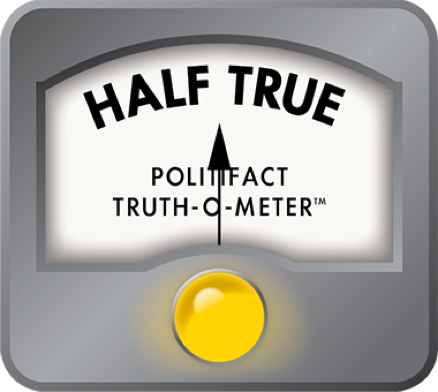
Trump’s statement is partially accurate, but he overstated it by saying the court "ruled against" transgender athletic participation with no qualifications. States that allow transgender athletes to compete can continue to do so.
We rate the statement Half True.
PolitiFact Staff Writer Grace Abels contributed to this report.
Email interview with Duke University Law professor Doriane Coleman, June 30, 2026
Email exchange with the White House Press Office, June 30, 2026
Email interview with Elena Redfield, federal policy director at the UCLA School of Law’s Williams Institute, June 30, 2026
Supreme Court of the United States, West Virginia v. B.P.J., June 30, 2026
The White House, X post, June 30, 2026
Donald Trump, Truth Social post, June 30, 2026
PolitiFact, Trump enforces trans athletes ban, with mixed results, July 14, 2025
The White House, Keeping Men Out of Women's Sports, Feb. 5, 2025
U.S. Department of Education, U.S. Department of Education Celebrates June as Second Annual Title IX Month, June 1, 2026
The Washington Post, DOJ sues Maine over refusing to comply with transgender athlete ban, April 16, 2025
U.S. Department of Justice, Justice Department Sues Minnesota to Protect Girls' Sports and Intimate Spaces, March 30, 2026
U.S. Department of Justice, Justice Department Sues California for Violating Title IX, Denying Girls Athletic Opportunities, July 9, 2025
United States Courts, The 14th Amendment and the Evolution of Title IX, accessed June 30, 2026
Movement Advancement Project, LGBTQ Youth: Bans on Transgender Youth Participation in Sports, January 1, 2026
















In a world of wild talk and fake news, help us stand up for the facts.